

SAP & Oracle partner and support companies

Loading

Digital Marketing jobs in Pune

2000+ SAP Digital Marketing jobs in Pune (20 new)

Unleash your marketing potential in the heart of India’s IT hub! Explore 2000+ exciting SAP Digital Marketing jobs in Pune, including 20 new openings…

Have you ever dreamt of turning your digital marketing expertise into a high-growth career in the heart of India’s IT hub? Pune, a city pulsating with innovation and opportunity, is beckoning! If you’re an ambitious marketing professional with an eye for the future, then this is your chance to unlock a treasure trove of over 2,000 exciting SAP Digital Marketing jobs – and that’s not all! With 20 brand new openings just hitting the market, the time to act is now. The digital marketing landscape in India is experiencing phenomenal growth, and SAP skills are becoming increasingly sought-after. By harnessing the power of both these domains, you can propel your career to new heights in the dynamic city of Pune. So, are you ready to unleash your marketing potential and become a part of this thriving digital ecosystem? Dive deeper into this article to discover everything you need to know about landing your dream SAP Digital Marketing job in Pune!

What are SAP Digital Marketing Jobs?

The world of business runs on software, and SAP is a global leader in developing powerful solutions that streamline operations across various industries. From managing finances to optimizing supply chains, SAP software empowers businesses to function efficiently. But in today’s digital age, a strong online presence is just as crucial. This is where SAP Digital Marketing comes in, bridging the gap between cutting-edge software and strategic marketing tactics.

Demystifying SAP:

SAP stands for Systems, Applications, and Products. It’s a vast suite of software solutions catering to diverse business needs. Within the digital marketing realm, specific SAP products like SAP Marketing Cloud and SAP Hybris Marketing take center stage. These cloud-based platforms offer a comprehensive toolkit for managing marketing campaigns, automating tasks, and gaining valuable customer insights – all under one roof.

Digital Marketing 101:

Digital marketing encompasses a variety of online channels and strategies used to reach target audiences and promote brands. Some of the most popular specializations include:

  • Search Engine Optimization (SEO): Optimizing websites and content to rank higher in search engine results pages (SERPs), driving organic traffic.
  • Search Engine Marketing (SEM): Utilizing paid advertising platforms like Google Ads to reach a wider audience through targeted campaigns.
  • Social Media Marketing (SMM): Leveraging social media platforms like Facebook, LinkedIn, and Instagram to connect with customers, build brand awareness, and foster engagement.
  • Content Marketing: Creating and sharing valuable content (blogs, articles, videos) to attract and engage potential customers.

SAP Digital Marketing essentially combines the power of SAP’s marketing cloud solutions with the strategic know-how of digital marketing specializations. Imagine having a platform that seamlessly integrates campaign management, customer data analysis, and targeted content creation – that’s the magic of SAP Digital Marketing! By wielding this expertise, you can create data-driven marketing campaigns that deliver exceptional results and propel businesses towards achieving their marketing goals.

Types of SAP Digital Marketing Jobs in Pune

The vibrant IT scene in Pune offers a diverse range of SAP Digital Marketing job opportunities. Here’s a glimpse into some of the most sought-after roles:

SAP Marketing Cloud Consultant:

As an SAP Marketing Cloud Consultant, you’ll be the go-to expert for all things related to SAP’s marketing automation platform. Your responsibilities will encompass:

Implementation and Configuration: You’ll play a pivotal role in implementing and configuring SAP Marketing Cloud for client companies, ensuring it aligns perfectly with their specific marketing goals and workflows. This involves customizing functionalities, integrating with existing marketing tools, and ensuring smooth data migration.

Training and Support: Guiding clients through the intricacies of SAP Marketing Cloud is another key aspect of this role. You’ll conduct training sessions, provide ongoing support, and troubleshoot any technical issues that may arise.

Strategic Expertise: Your knowledge of digital marketing strategies goes a long way. You’ll collaborate with marketing teams to devise data-driven campaigns, leverage automation features to optimize workflows, and ultimately maximize the return on investment (ROI) from the platform.SAP Hybris Marketing Consultant:

Similar to the SAP Marketing Cloud Consultant role, the SAP Hybris Marketing Consultant focuses on a specific SAP marketing solution – SAP Hybris Marketing. Here’s a breakdown of the key responsibilities:

Ecommerce Integration: SAP Hybris Marketing is tightly integrated with SAP’s ecommerce platform, Hybris Commerce. As a consultant, you’ll ensure seamless communication between these two platforms, enabling personalized marketing experiences for customers throughout their buying journey.

Campaign Management Expertise: Crafting and executing targeted marketing campaigns is a core responsibility. You’ll utilize Hybris Marketing’s functionalities to design personalized email campaigns, manage social media marketing initiatives, and track campaign performance through detailed analytics.

Content Management and Personalization: Creating compelling content that resonates with target audiences is crucial. You’ll leverage Hybris Marketing’s content management tools to personalize messaging and offers, ultimately driving higher customer engagement.

1. What is the average salary for SAP Digital Marketing jobs in Pune?

The average salary for SAP Digital Marketing jobs in Pune can vary depending on factors like experience, specific job role, and the company itself. However, it generally falls within a promising range. Resources like Glassdoor and SalaryExplorer indicate an average monthly salary in the ballpark of ₹56,723, with senior-level professionals potentially earning upwards of ₹25 lakhs annually.

It’s important to remember that possessing additional certifications relevant to SAP Marketing Cloud/Hybris Marketing and other sought-after digital marketing specializations can significantly enhance your earning potential. Furthermore, companies in the IT sector in Pune are known to offer competitive compensation packages, including benefits like health insurance and paid time off.

2. What are the career growth prospects for SAP Digital Marketing professionals?

The SAP Digital Marketing domain offers a dynamic and rewarding career path. As you gain experience and expertise, you can progress towards senior-level positions with greater responsibility and leadership opportunities. Here are some potential career paths:

Marketing Cloud/Hybris Marketing Architect: Specialize in the technical aspects of these platforms, leading implementation projects and ensuring optimal performance.

Digital Marketing Manager: Lead and manage a team of digital marketing professionals, overseeing campaign strategy, budget allocation, and overall marketing performance.

Head of Digital Marketing: Ascend to a leadership role, formulating the digital marketing vision for a company and overseeing all digital marketing initiatives.

The beauty of SAP Digital Marketing lies in its versatility. The skills you acquire can be valuable across various industries, opening doors to exciting opportunities beyond Pune’s IT landscape.

3. Do I need prior SAP experience to land an SAP Digital Marketing job?

While prior SAP experience can certainly be advantageous, it’s not always a strict requirement, especially for entry-level positions. A strong foundation in digital marketing principles and a willingness to learn about SAP’s marketing cloud solutions can be highly valuable to employers.

Here’s how you can bridge the gap:

Highlight transferable skills: Focus on your existing digital marketing expertise in areas like SEO, SEM, or social media marketing.

Demonstrate eagerness to learn: Showcase your passion for digital marketing and your commitment to acquiring knowledge about SAP’s marketing cloud platforms.

Pursue relevant certifications: Earning certifications like SAP Marketing Cloud Associate or SAP Hybris Marketing Consultant can significantly boost your resume and demonstrate your dedication to the field.

By demonstrating your digital marketing proficiency and a willingness to learn, you can position yourself as a competitive candidate for SAP Digital Marketing jobs in Pune, even without prior SAP experience.

Conclusion

In conclusion, the digital marketing landscape in India is booming, and Pune, a thriving IT hub, offers a treasure trove of exciting SAP Digital Marketing career opportunities. With over 2,000 jobs available, including 20 brand new openings, this is the perfect time to leverage your digital marketing expertise and embrace the power of SAP’s marketing cloud solutions.

As an SAP Digital Marketing professional, you’ll bridge the gap between cutting-edge software and strategic marketing tactics, creating data-driven campaigns that deliver exceptional results. Whether you envision yourself as an SAP Marketing Cloud Consultant crafting personalized marketing journeys or a Social Media Marketing specialist leveraging Hybris Marketing’s functionalities, the possibilities are endless.

The path to landing your dream SAP Digital Marketing job in Pune is clear. Refine your digital marketing skills, showcase your transferable knowledge, and don’t hesitate to pursue relevant certifications to bolster your resume. Network with professionals in the field, actively search for positions on prominent job boards, and remember – your eagerness to learn and passion for digital marketing will be highly valued by potential employers. So, take action today and embark on a rewarding career in the heart of India’s IT hub! Remember, in the ever-evolving world of digital marketing, staying curious, adaptable, and continuously learning will be your greatest assets as you navigate your successful career path in SAP Digital Marketing.

You may be interested in this blog here :

HR Certification Courses with Placement at Elearning Solutions

sap working process : The Engine Powering Your Business

Full-Stack to Salesforce: Unveiling the Reasons Behind the Switch in 2024

sap working process

sap working process : The Engine Powering Your Business

Unveil the inner sap working process and optimize system performance! Explore SAP work processes, their types, functions, and how they … (continues with a benefit to the reader, like “boost user experience”).

Have you ever felt frustrated waiting for your SAP system to crawl? Transactions take ages, the screen freezes, and your productivity plummets. Imagine a world where SAP runs smoothly, responding to your every click with lightning speed. That world is achievable, and the key lies in understanding the hidden heroes: SAP Work Processes.

These unsung champions are the engine powering your sap working process. They handle everything from user interactions to database updates, silently working behind the scenes to keep your business running. But just like any engine, work processes need proper care and optimization to perform at their peak. In this comprehensive guide, we’ll unveil the secrets of sap working process, empowering you to unlock their full potential and transform your SAP experience from sluggish to stellar.

The Dispatcher: Orchestrating the Work Process Symphony

Imagine a bustling restaurant kitchen. Orders fly in, chefs cook, waitstaff deliver, and dirty dishes pile up. Just like this kitchen needs a head chef to ensure smooth operation, sap working process rely on the Dispatcher – the central control unit that assigns tasks and optimizes workload distribution.

The Dispatcher acts as the traffic cop, intelligently directing incoming requests from user transactions to the most suitable work process. This decision-making process is influenced by several factors:

  • User Context: The Dispatcher prioritizes keeping a user’s requests within the same work process whenever possible. This ensures a smooth user experience by maintaining the user’s “roll area” (temporary storage for user-specific data) within that work process.
  • Work Process Type: Each type of work process is specialized for specific tasks. The Dispatcher considers the nature of the request (e.g., updating a database record, running a background job) and assigns it to the most appropriate work process type (e.g., Update Work Process, Background Work Process).

By carefully analyzing these factors, the Dispatcher ensures efficient task allocation and prevents work processes from becoming overloaded. This, in turn, contributes to a responsive and stable SAP system experience for all users.

Unveiling the Different Types of SAP Work Processes: A Team of Specialized Workers

Just like a well-oiled machine requires different parts for various functions, sap working process come in various types, each with a specific role to play. Understanding these specialized workers is crucial for appreciating the intricate dance that keeps your SAP system running smoothly.

1. Dialog Work Process (DIA): The User Interface Powerhouse

The unsung heroes of user interaction, Dialog Work Processes (DIA) are the workhorses behind every screen update, menu selection, and transaction execution you experience in SAP. When you enter a sales order, create a new material master record, or navigate through menus, a DIA work process is tirelessly executing the corresponding ABAP program in the background.

These work processes are responsible for:

  • Maintaining the user session and screen context. This ensures a seamless user experience as you navigate through the SAP interface.
  • Interacting with the database to fetch and update data based on user actions. Every click, selection, and form submission triggers database communication handled by the DIA work process.
  • Communicating with other work processes when necessary. For instance, a DIA work process might interact with an Update Work Process to permanently store changes made in a transaction.

2. Update Work Process (UPD/UP2): Maintaining Database Integrity

Data integrity is paramount in any business system, and Update Work Processes (UPD/UP2) are the guardians of this crucial aspect. Unlike DIA work processes, which handle temporary data changes within a user session, Update Work Processes deal with permanent database updates triggered by a COMMIT WORK statement in a dialog transaction.

These specialized work processes ensure:

  • Data Consistency: Update Work Processes perform database updates in a controlled manner, guaranteeing data accuracy and preventing inconsistencies.
  • Database Commits: Once a user confirms a transaction with a COMMIT WORK, the corresponding Update Work Process takes over, ensuring the permanent storage of changes in the database. This two-step approach allows for data rollback in case of errors during user interaction.
  • Prioritization of Updates: Update Work Processes can be further categorized as UPD (for time-critical updates) and UP2 (for non-critical updates). This allows system administrators to prioritize essential data changes for optimal performance.

Optimizing Work Process Configuration for Peak Performance: Tuning the Engine for Speed

Just like a Formula One race car requires fine-tuning for peak performance, your SAP system’s work processes benefit greatly from proper configuration. By understanding how to analyze workload and strategically allocate resources, you can transform your sluggish SAP experience into a smooth and responsive one.

1. Analyzing Work Process Load with Transaction SM50

The first step to optimization is understanding the current state. Transaction SM50 is your window into the world of work processes, providing a real-time overview of their activity. Here, you can see:

  • The number of active work processes: This indicates the overall system load. Too few work processes can lead to bottlenecks, while too many can consume unnecessary resources.
  • Work process type utilization: SM50 displays CPU usage, enqueue wait times, and other metrics for each work process type. This helps identify overloaded process types, allowing for targeted adjustments.
  • User sessions: You can see which users are currently logged in and assigned to which work processes. This information helps identify potential bottlenecks caused by a surge in user activity.

By analyzing the data in SM50, you can gain valuable insights into how your SAP system is performing and identify areas for improvement.

2. Strategies to Balance Workload for Optimal Performance

Once you’ve identified potential bottlenecks, it’s time to take action. Here are some key strategies for achieving optimal work process utilization:

  • Dynamic Work Process Allocation: SAP allows you to configure dynamic work process allocation. This means the system can automatically adjust the number of work processes based on real-time load, ensuring efficient resource utilization.
  • Process Type Allocation: You can fine-tune the distribution of user sessions across different work process types. For instance, allocating users with database-intensive tasks to dedicated Update Work Processes can improve overall system performance.
  • Resource Management: Optimizing memory allocation and CPU usage limits for work processes can prevent resource exhaustion and ensure smooth operation, especially on heavily loaded systems.

Got Questions About SAP Work Processes? We’ve Got Answers!

Your exploration into the world of SAP work processes might leave you with some lingering questions. Fear not, for this handy People Also Ask (PAA) section is here to shed light on some common queries:

1. Can I see a list of active work processes in SAP?

Absolutely! To view a real-time snapshot of your system’s work processes, simply navigate to transaction SM50 within the SAP GUI. This transaction provides a wealth of information, including:

  • The total number of active work processes across different types (e.g., Dialog, Update).
  • The status of each work process (running, waiting, free).
  • CPU and memory utilization for individual work processes.
  • User sessions assigned to each work process.

By analyzing the data presented in SM50, you can identify potential bottlenecks, monitor system load, and assess the overall health of your work process configuration.

2. How do I create a new work process in SAP?

While understanding work process functionality is valuable, creating new work processes is typically a task reserved for system administrators with specialized access and knowledge. The process involves modifying system configuration parameters and ensuring proper resource allocation to avoid negatively impacting system performance.

Conclusion:

Mastering the Art of SAP Work Processes

In this comprehensive guide, we’ve peeled back the layers of SAP work processes, revealing the hidden heroes powering your system’s functionality. We explored the role of the Dispatcher in orchestrating workload, unveiled the specialized tasks of different work process types, and provided valuable insights into optimizing performance through configuration strategies.

Remember, a well-tuned work process configuration is the cornerstone of a responsive and efficient SAP experience. By leveraging the knowledge gained here, you can:

  • Proactively identify bottlenecks: Utilize transaction SM50 to gain real-time insights into work process activity and identify areas for improvement.
  • Optimize resource allocation: Implement strategies like dynamic work process allocation and process type allocation to ensure balanced workload distribution.
  • Enhance user experience: By ensuring smooth work process operation, you contribute to a faster, more responsive SAP system for all users.

Understanding and optimizing your SAP work processes is an ongoing journey. However, with the knowledge gleaned from this guide, you’re well-equipped to take control and transform your SAP system into a well-oiled machine, propelling your business forward with efficiency and agility. Remember, a little effort in work process management can yield significant results in user satisfaction and overall system performance.

you may be interested in this blog here

Apex Tutorial Full Guide for 2024!

GenAI 101: Three Tips for Getting Started with AI Content Creation Tools

Process Monitoring and Administration

What is the salary of fresher Oracle consultant?

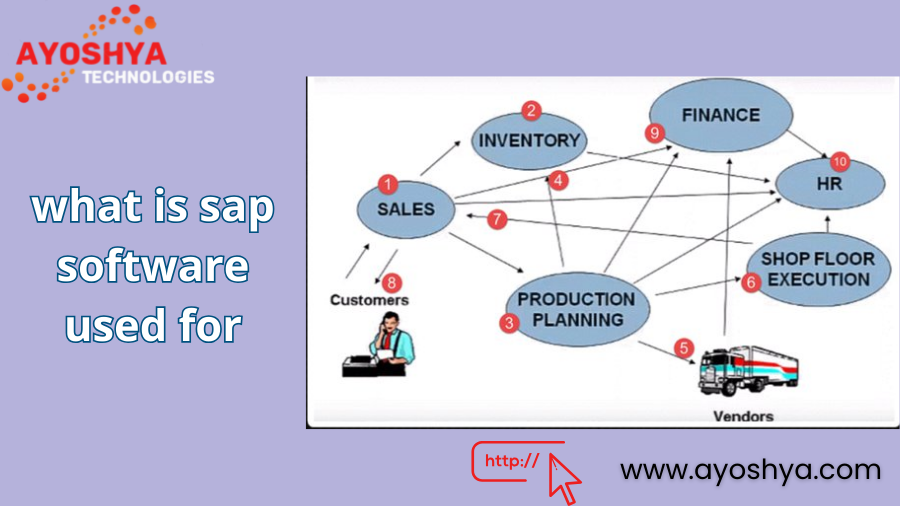
what is sap software used for

What is SAP Software Used For?

what is sap software used for? Unleash the power of SAP software! Explore its functionalities across departments (…ERP, CRM, Supply Chain…), discover benefits (…increased efficiency, data visibility…), and see if SAP is right for you!**

Have you ever felt overwhelmed by mountains of data, siloed operations, and frustrated employees struggling to collaborate? Imagine a software solution that could unify your entire business, streamline processes, and unlock a treasure trove of insights to propel you forward. This, my friend, is the magic of SAP software! Developed in 1972 by a group of visionary engineers in Germany (Dietmar Hopp, Hasso Plattner, Claus Wellenreuther, and Hans-Werner Hector), SAP has grown into a global leader in Enterprise Resource Planning (ERP) software, offering a powerful suite of tools that can transform the way you operate. Whether you’re grappling with complex financials, struggling to manage customer relationships, or yearning for better supply chain visibility, SAP has a solution designed to empower your business and unleash its true potential. So buckle up, and get ready to dive deep into the world of SAP software!

Deep Dive into SAP functionalities: The Backbone of Your Business

Now that we’ve unveiled the magic behind SAP software, let’s delve into the nitty-gritty of its functionalities. Think of SAP as a powerful all-in-one toolbox, equipped with specialized modules designed to address every facet of your organization. Here, we’ll explore the core functionalities that form the backbone of successful SAP implementations:

Financial Management: Unveiling the Financial Health of Your Business

The SAP Finance module acts as the financial command center of your organization. Imagine having a centralized platform for all your financial transactions, from general accounting and budgeting to accounts payable and receivable. This comprehensive solution streamlines financial processes, automates tasks, and empowers you with real-time insights into your financial health.

  • Streamlined Accounting Processes: SAP automates manual tasks like data entry and reconciliation, freeing up valuable time for your finance team to focus on strategic analysis. Additionally, the system enforces consistent accounting practices across the organization, ensuring data accuracy and facilitating compliance with financial regulations.
  • Enhanced Visibility and Control: Gone are the days of juggling disparate spreadsheets! SAP Finance provides a consolidated view of all your financial data, offering real-time insights into cash flow, profitability, and financial performance. This empowers management to make data-driven decisions, identify cost-saving opportunities, and optimize financial planning.

Unlocking a World of Advantages: The Benefits of SAP Software

Implementing SAP software isn’t just about acquiring a new technology; it’s about investing in a comprehensive solution designed to propel your business to new heights. By streamlining operations, fostering collaboration, and empowering data-driven decision making, SAP unlocks a multitude of benefits that can significantly enhance your organization’s performance. Let’s explore some of the key advantages you can expect to reap with SAP:

Enhanced Efficiency and Productivity: Doing More With Less

Imagine a work environment where repetitive tasks are automated, information flows seamlessly between departments, and employees can focus on high-value activities. This is the power of SAP in action! By automating manual processes, eliminating data silos, and standardizing workflows, SAP significantly boosts efficiency and productivity across your organization.

  • Automating Repetitive Tasks: SAP automates tedious tasks like data entry, invoice processing, and report generation. This frees up valuable employee time, allowing them to focus on more strategic initiatives, fostering innovation, and driving business growth.
  • Streamlined Workflows and Collaboration: SAP fosters seamless collaboration by providing a unified platform for all departments to access and share information. This eliminates duplicate efforts, reduces errors, and ensures everyone is working with the latest data, leading to a more efficient and streamlined operation.

Dive Deeper: Answering Your SAP Software Questions

The world of enterprise software can be complex, and you might have some lingering questions about SAP. Here, we’ll address some of the most common inquiries to shed light on SAP’s functionalities, costs, and implementation:

Is SAP Software Expensive?

This is a legitimate concern, and the answer depends on several factors, including the specific modules you require, the size of your organization, and the deployment model (on-premise, cloud, or hybrid). While SAP licensing costs can be significant, it’s crucial to consider them as an investment.

  • Long-Term Value Creation: SAP software is designed to deliver long-term value. The increased efficiency, improved decision-making, and streamlined operations can lead to significant cost savings and revenue growth, ultimately providing a return on your investment.
  • Scalability and Flexibility: SAP offers a modular approach, allowing you to implement only the functionalities you need initially and scale up as your business grows. Additionally, with cloud deployment options, you can avoid hefty upfront infrastructure costs, making SAP more accessible for businesses of all sizes.

Conclusion

The Power to Transform Your Business: A Final Word on SAP Software

In conclusion, SAP software is more than just a collection of tools; it’s a strategic investment that empowers you to unify your business, streamline operations, and unlock a treasure trove of valuable insights. From the centralized financial management of the SAP Finance module to the collaborative power of the CRM module, SAP offers a comprehensive suite of functionalities designed to address every facet of your organization.

Implementing SAP can significantly enhance your business by boosting efficiency, improving data visibility, and fostering data-driven decision making. While the initial investment might seem daunting, the long-term value creation through cost savings, increased productivity, and improved performance makes SAP a compelling choice for businesses seeking to thrive in today’s competitive landscape.

So, are you ready to unleash the transformative power of SAP software? We recommend conducting further research to determine if SAP is the right fit for your specific needs. Explore the SAP website, consult with industry publications, and consider partnering with experienced SAP consultants to guide you through the implementation process. Remember, a well-planned SAP implementation can unlock a new era of growth and efficiency for your business!

you may be interested in this blog here:-

SAP HANA Training and Placement: A Complete Guide

TriggerFactory in Salesforce Apex | Developer Guide 2024

How to Activate Material Ledger in Sap

Oracle consultant

What is the salary of fresher Oracle consultant?

Curious about the salary of an Oracle consultant in India? This guide breaks down everything you need to know… average salary, influencing factors, and more!

Have you ever dreamt of launching a successful career in the IT industry, tackling challenging projects, and earning a competitive salary? If so, then becoming an Oracle fresher consultant might be the perfect springboard for you! The demand for skilled Oracle professionals in India is skyrocketing, with businesses across all sectors recognizing the power of Oracle technologies to streamline operations and gain a competitive edge. This guide delves deep into everything you need to know about the salary prospects for Oracle fresher consultants in India, from the average pay range to the key factors that can significantly influence your earning potential. So, buckle up and get ready to unlock the secrets to a rewarding career path in the world of Oracle consulting!

Oracle Fresher Consultants in India

Cracking the code on your earning potential as an Oracle fresher consultant is an exciting step towards building a successful career. While salary figures can be enticing, it’s crucial to understand the landscape that shapes these numbers. Here, we’ll break down the average salary range and delve into the key factors that can significantly impact your paycheck.

The Benchmark: Average Salary Range

According to reliable sources like 6figr.com, the average salary for Oracle fresher consultants in India falls within the range of ₹16 lakhs to ₹42 lakhs per annum. This provides a starting point for your expectations, but it’s important to remember that this is just a glimpse into the bigger picture. Let’s explore the various factors that can push your salary upwards or downwards within this spectrum.

Additional Considerations for Oracle Fresher Consultants

The allure of a hefty paycheck is undeniable, but a successful career as an Oracle fresher consultant goes beyond just the base salary. Here, we explore some additional factors that contribute to a well-rounded compensation package and enhance your overall professional experience.

Benefits & Perks: Gearing Up for Success

Leading companies understand the importance of attracting and retaining top talent. This is where a strong benefits package comes into play. As an Oracle fresher consultant, you can expect to receive benefits like health insurance plans, paid leaves (sick leave, vacation leave), and even employee wellness programs. These benefits provide valuable financial security and contribute to a healthy work-life balance, allowing you to focus on delivering exceptional work.

Moreover, some employers might offer additional perks like skill development programs, certifications reimbursements, or even relocation assistance. These perks empower you to continuously enhance your skillset, stay ahead of the curve in the ever-evolving IT landscape, and potentially unlock even higher-paying opportunities within the Oracle consulting domain. By carefully evaluating the benefits package offered by a potential employer, you can ensure a holistic and rewarding career experience.

FAQ

1. What Skills Are Required for Becoming an Oracle Fresher Consultant?

Launching your career as an Oracle fresher consultant requires a strong foundation in technical skills. Mastering core areas like SQL (Structured Query Language) and PL/SQL (Procedural Language/Structured Query Language) is a must. These programming languages form the bedrock of interacting with Oracle databases and manipulating data effectively.

Furthermore, possessing a strong understanding of Oracle products like Oracle Cloud and its various modules (e.g., HCM, ERP) is highly sought-after by employers. Additionally, certifications like Oracle Certified Professional (OCP) can significantly enhance your credibility and marketability, potentially leading to better job prospects and higher salaries. Remember, a blend of technical expertise, eagerness to learn, and excellent communication skills will position you for success in the dynamic world of Oracle consulting.

2. What Are the Career Paths for Oracle Consultants?

The beauty of a career in Oracle consulting lies in its diverse and promising growth trajectory. As you gain experience, you can specialize in specific areas like Oracle Cloud Implementation, Database Administration, or Business Intelligence. These specializations allow you to deepen your knowledge and expertise, making you a valuable asset to organizations undertaking complex Oracle-based projects.

Furthermore, with experience and proven leadership skills, you can progress towards senior consultant or project management roles. Alternatively, you could pursue a career as an independent Oracle consultant, leveraging your expertise to work with various clients on a project basis. The possibilities are truly endless, allowing you to tailor your career path to your specific goals and aspirations.

you may be interested in this blog here

Message Processing and Transformation in SAP PO

Master Your Salesforce Classes Journey

What is sap analytics cloud salary in india

oracle live sql

A Beginner’s Guide to oracle live sql

Dive into the world of Oracle databases without installations! oracle live sql unlocks the power of SQL queries… (and more!). Learn how to write queries, explore data, and boost your database skills. Easy to follow, perfect for beginners. Click now!

Have you ever felt the frustration of wanting to unlock the secrets hidden within a database, but being bogged down by complicated software installations and unfamiliar interfaces? Fear not, aspiring data wizards! There’s a magic portal waiting to be discovered, a gateway to the world of Oracle databases that requires no downloads and minimal setup. It’s called Oracle Live, and it’s about to become your best friend in the exciting realm of SQL queries. This free, web-based platform empowers both beginners and seasoned users to write powerful SQL statements, explore data with ease, and hone their database management skills – all without the hassle of complex installations. So, grab your virtual wand, dust off your curiosity cap, and let’s embark on a journey to unleash your inner Oracle guru with Oracle Live !

A Step-by-Step Guide

Ready to dive into the world of Oracle Live and unleash your inner data master? This section will equip you with the knowledge to navigate the platform with confidence. Here’s a step-by-step guide to get you started:

2.1. Creating an Oracle Account (if needed):

Oracle Live SQL offers its magic free of charge! However, to access the platform, you might need an Oracle account. If you haven’t already, creating an account is a quick and painless process. Once you’ve completed the registration process, you’re all set to explore the wonders of Oracle.

2.2. Accessing Oracle Live SQL: Your Gateway to SQL Exploration

Now that you (potentially) have your Oracle account ready, it’s time to access the platform itself. Head over to https://livesql.oracle.com/ in your web browser. This URL serves as the gateway to your SQL learning and exploration journey. The first thing you’ll encounter is a clean and intuitive interface, designed to make your experience as user-friendly as possible. Here’s a quick breakdown of the key areas:

  • SQL Worksheet: This is your central workspace, where you’ll write and execute your SQL queries. Think of it as a blank canvas where your SQL magic unfolds.
  • My Scripts: This section allows you to save and organize your frequently used queries for future reference. It’s like your personal SQL recipe book, where you can store your most valuable data retrieval spells.
  • Schema: This area provides an overview of the sample tables available within Oracle Live These pre-populated tables act as your training ground, allowing you to practice writing queries and experimenting with data manipulation techniques.
  • Quick SQL: This section offers a helpful feature, especially for beginners. By selecting pre-defined options from a dropdown menu, you can generate basic SQL statements to explore the sample tables. Think of it as training wheels for your SQL learning journey.

 Writing Your First SQL Query in Oracle Live

Now that you’ve successfully accessed Oracle Live it’s time to unleash your inner data alchemist and craft your very first SQL query! But before we delve into code, let’s establish a foundational understanding.

3.1. Demystifying Tables: The Treasure Troves of Data

Imagine an Oracle database as a vast library, meticulously organized with rows and columns. Each row represents a single record, like a library card containing information about a specific book. The columns, on the other hand, represent individual data points within that record, akin to the book’s title, author, publication date, and genre. These organized structures within the database are called tables, acting as the treasure troves where valuable information is meticulously stored.

3.2. Crafting Your First SELECT Statement: Unveiling the Treasures

The magic of SQL queries lies in their ability to retrieve specific data from these tables. One of the most fundamental SQL statements is the SELECT statement. Think of it as your key to unlocking the treasures within a table. Here’s how to write a basic SELECT statement in Oracle:

SQL

SELECT * FROM table_name;

Use code with caution.content_copy

In this example, the asterisk (*) symbol acts as a wildcard, instructing Oracle to retrieve all columns (data points) from the specified table_name. For instance, if you were to replace “table_name” with “EMPLOYEES,” you’d be requesting all information stored within the “EMPLOYEES” table, potentially including employee ID, name, department, salary, and so on.

By executing this simple SELECT statement, you’ll witness the power of SQL firsthand. Oracle Live SQL will retrieve the requested data from the chosen table and display it within the results pane. This is your first step on the path to mastering SQL queries and unlocking the secrets hidden within Oracle databases.

4. Exploring Oracle Live SQL Features: Beyond the Basics

While crafting basic SELECT statements is a great starting point, Oracle Live SQL offers a treasure trove of functionalities waiting to be explored. Let’s delve deeper into some features that empower you to manipulate and analyze data with greater precision:

4.1. Filtering Data with Precision: The WHERE Clause

Imagine a vast library with countless books, but you only require those related to a specific genre. The WHERE clause in SQL acts as your filtering tool within Oracle Live SQL. It allows you to specify conditions that your retrieved data must meet. Here’s a basic example:

SQL

SELECT * FROM EMPLOYEES WHERE department_id = 10;


In this instance, you're using the WHERE clause to filter the "EMPLOYEES" table and retrieve only records where the "department_id" is equal to 10. This allows you to target specific sets of data within a table, making your queries more focused and efficient. The WHERE clause supports various comparison operators (e.g., =, >, <) and logical operators (AND, OR) for building more intricate filtering criteria.

4.2. Sorting for Clarity: The ORDER BY Clause

Ever encountered a list of data that’s jumbled and difficult to interpret? The ORDER BY clause in Oracle Live SQL comes to the rescue! It allows you to sort your retrieved data based on specific columns, ensuring a clear and organized presentation. Here’s an example:

SQL

SELECT * FROM CUSTOMERS ORDER BY name ASC;

This statement sorts the data retrieved from the “CUSTOMERS” table based on the “name” column in ascending order (ASC). Alternatively, you can use the DESC keyword for descending order. Sorting empowers you to prioritize and categorize your data, making it easier to identify trends and patterns within your queries.

4.3. Unveiling Hidden Insights: The GROUP BY Clause and Aggregate Functions

As you venture deeper into data exploration, you might want to uncover broader trends or summarized information. The GROUP BY clause in Oracle Live SQL empowers you to achieve this. It groups your retrieved data based on specific columns, allowing you to perform aggregate functions on those groups. Here’s an example:

SQL

SELECT department_id, COUNT(*) AS total_employees
FROM EMPLOYEES
GROUP BY department_id;


This statement groups the data from the "EMPLOYEES" table by the "department_id" column. It then utilizes the COUNT(*) aggregate function to calculate the total number of employees within each department. By using the GROUP BY clause and aggregate functions like SUM, AVG, and MIN/MAX, you can unlock valuable insights and hidden patterns within your data.

4.4. A Glimpse into Data Manipulation (For Experienced Users)

While Oracle Live SQL is primarily focused on data exploration and querying, it also offers a taste of data manipulation functionalities for experienced users. This might involve techniques like INSERT, UPDATE, and DELETE statements for modifying data within the sample tables (with certain limitations). However, it’s important to remember that Oracle Live SQL is not designed for large-scale data manipulation. For those tasks, you might need to explore more advanced tools within the Oracle database environment.

FAQ

By now, you’ve embarked on a thrilling journey through the world of Oracle Live SQL. But you might still have lingering questions. Fear not, for this PAA section tackles some of the most common inquiries users have about this powerful platform:

5.1. “Is Oracle Live SQL Free to Use?” Unveiling the Cost Advantage

One of the biggest advantages of Oracle Live SQL is its accessibility. Yes, it’s completely free to use! You can access the platform and all its functionalities without any hidden charges. This makes it an ideal environment for beginners to learn the basics of SQL and experiment with writing queries without any financial commitment. Even experienced users can benefit from Oracle Live SQL’s ease of use and ability to test and refine their SQL skills in a free, web-based environment.

5.2. “Do I Need to Install Anything for Oracle Live SQL?” A Browser-Based Advantage

Another perk of Oracle Live SQL is its browser-based nature. There’s no need to download or install any software on your computer. Simply head over to the website using your favorite web browser, and you’re ready to start crafting your SQL queries. This eliminates the hassle of installation processes and ensures compatibility across various operating systems. This browser-based accessibility makes Oracle Live SQL a convenient and readily available platform for anyone eager to learn SQL.

5.3. “What Can I Learn with Oracle Live SQL?” Expanding Your SQL Skillset

Oracle Live SQL serves as a launchpad for your SQL learning journey. While it offers a limited sample data set, it provides a solid foundation for understanding core SQL concepts. You can learn how to:

  • Write basic SELECT statements to retrieve data from tables.
  • Utilize the WHERE clause for precise data filtering based on conditions.
  • Employ the ORDER BY clause to organize your retrieved data for better clarity.
  • Leverage the GROUP BY clause and aggregate functions to uncover hidden insights and trends within your data.

As you progress with Oracle Live SQL, you’ll gain valuable experience in writing and executing SQL queries, preparing you to tackle more complex tasks in the future.

5.4. “Are There Any Limitations to Oracle Live SQL?” Understanding the Scope

It’s important to acknowledge that Oracle Live SQL has limitations. The platform utilizes a sample data set, which might not be suitable for practicing complex queries that require vast amounts of data. Additionally, data manipulation functionalities are limited within Oracle Live SQL. For large-scale data modifications or working with real-world databases, you might need to explore more advanced tools within the Oracle database environment.

However, despite these limitations, Oracle Live SQL remains an invaluable resource for beginners and experienced users alike. It provides a user-friendly and accessible platform to learn and practice core SQL concepts, laying the groundwork for your future endeavors in the exciting world of data management.

CONCLUSION

In conclusion, your journey into the world of Oracle databases has just begun! We’ve unveiled the magic of Oracle Live SQL, a free, web-based platform that empowers you to write powerful SQL queries, explore data with ease, and hone your database management skills. You’ve learned how to navigate the intuitive interface, craft your first SELECT statement, and delve deeper into functionalities like filtering, sorting, and grouping data for insightful analysis. The PAA section addressed common questions, ensuring you understand the cost advantages, browser-based accessibility, and the vast learning potential Oracle Live SQL offers.

So, what are you waiting for? Remember, Oracle Live SQL serves as a stepping stone. As you gain confidence, explore more advanced resources and delve deeper into the robust features of the Oracle database environment. With dedication and practice, you’ll soon be wielding the power of SQL to unlock the secrets hidden within any database!

you may be interested in this blog here:-

What is Use Se16n tcode in sap?

SAP Process Orchestration: The Maestro of Business Automation

Salesforce training modules

SAP Migration Strategies

SAP PP

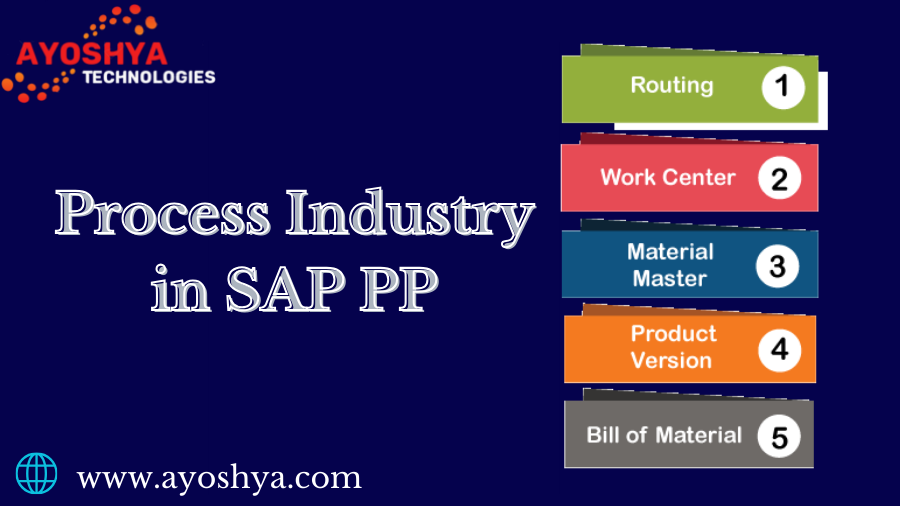
Process Industry in SAP PP

 Unleash the power of SAP PP for your process manufacturing needs! Dive deep into functionalities, benefits, and best practices… Craft efficiency in your production processes!

Ever feel like your production line is a chaotic cocktail of bubbling vats, whirling machines, and unpredictable outcomes? Welcome to the world of process manufacturing, where efficiency is a constant quest and consistency can feel like a fleeting dream! But fear not, fellow chemical connoisseurs, food and beverage fanatics, and pharmaceutical trailblazers! There’s a powerful weapon in your arsenal to tame the complexities of process production – SAP PP. This isn’t some flimsy beaker – SAP PP is your robust command center, a sophisticated software solution designed to bring structure, efficiency, and predictability to your process industry endeavors. So, grab your lab coat (or metaphorical equivalent) and dive deep with us as we explore the functionalities, benefits, and best practices of leveraging SAP PP to master production in the process industry.

II. Core Functionalities of SAP PP for Process Industries

SAP PP acts as the central nervous system for your process manufacturing operation, offering a comprehensive suite of functionalities designed to streamline every stage of production. Let’s delve into some of the core functionalities that empower process manufacturers to achieve peak efficiency:

  • Master Recipe Management: Imagine a recipe for success, but instead of flour and sugar, it involves precise instructions for mixing chemicals or brewing a batch of beer. SAP PP’s master recipe functionality allows you to define and store these production recipes in meticulous detail. You can specify ingredients (raw materials), quantities, processing times and temperatures, and even control parameters for equipment. This ensures consistency and repeatability in your production runs, a critical factor in maintaining product quality within the process industry. Additionally, SAP PP facilitates version control for recipes, enabling you to track changes and ensure everyone is working with the latest version.
  • Bill of Materials (BOM) Management: Just like any recipe requires a list of ingredients, your production processes rely on specific raw materials. SAP PP’s BOM management functionality allows you to define the exact materials needed for each production recipe. This includes not only main ingredients but also co-products and byproducts, a common occurrence in process manufacturing. By meticulously managing BOMs within SAP PP, you gain precise control over material requirements, ensuring you have the right ingredients on hand to avoid production delays. Furthermore, the system can automatically generate purchase requisitions for missing materials, streamlining your procurement process.
  • Production Planning and Scheduling: Gone are the days of production being a guessing game! SAP PP’s robust planning and scheduling functionalities allow you to map out your production process in detail. You can define lead times for raw materials, factor in equipment availability, and account for production capacities. The system then helps you generate realistic production schedules, ensuring on-time delivery of your products. This functionality also enables you to simulate different production scenarios, allowing you to identify potential bottlenecks and optimize your scheduling for maximum efficiency.

Advanced Features in SAP PP

The core functionalities of SAP PP provide a solid foundation for efficient process manufacturing. However, SAP recognizes that every industry has its unique needs. That’s why SAP PP offers a plethora of advanced features that can further empower process manufacturers to achieve peak performance:

  • Integration with Process Control Systems: Imagine a world where your production data seamlessly flows between your SAP system and the real-time world of process control systems. This dream becomes a reality with SAP PP’s integration capabilities. By connecting to process control systems that monitor factors like temperature, pressure, and flow rates, SAP PP can receive real-time production data. This allows for continuous monitoring and adjustments to ensure your processes remain within optimal parameters, ultimately leading to improved product quality and reduced waste.
  • Real-Time Production Monitoring and Reporting: In the fast-paced world of process manufacturing, having a clear picture of what’s happening on your production floor is critical. SAP PP’s advanced features go beyond static production plans, offering real-time production monitoring capabilities. You can track the progress of batches, identify potential deviations from the plan, and receive alerts if any issues arise. This empowers you to make informed decisions and take corrective actions in real-time, minimizing production disruptions and ensuring smooth operation. Additionally, SAP PP provides comprehensive production reporting tools, allowing you to analyze historical data and identify areas for further improvement.
  • Sustainability Features: The process industry is increasingly focusing on environmental responsibility. SAP PP recognizes this growing need and offers features to support sustainable production practices. For instance, the system can track resource consumption (e.g., water, energy) associated with each production run. This data can be used to identify areas for optimization and implement more sustainable production processes. Additionally, SAP PP can help manage the production of co-products and byproducts, ensuring their proper disposal or utilization, minimizing environmental impact.

V. Benefits of Utilizing SAP PP in Process Industries

In the competitive world of process manufacturing, efficiency is paramount. But efficiency is more than just a buzzword – it translates to real bottom-line benefits. Implementing SAP PP in your process industry operations unlocks a treasure trove of advantages that can significantly enhance your production capabilities:

  • Improved Production Planning and Scheduling: SAP PP replaces guesswork with intelligent planning. By leveraging functionalities like master recipe management and production scheduling, you can create realistic production plans that factor in material availability, equipment capacity, and lead times. This translates to on-time delivery of products, reduced production delays, and a more responsive production environment. Imagine being able to confidently quote lead times to customers, knowing you have a data-driven plan to back it up!
  • Enhanced Material Management and Recipe Control: Process manufacturing relies heavily on precise control over raw materials and production processes. SAP PP’s BOM management and master recipe functionalities ensure you have the right materials on hand at the right time. The system also facilitates adherence to established recipes, promoting consistency and quality in your end products. Furthermore, SAP PP streamlines the entire material management process, allowing you to track material usage, identify potential shortages, and optimize inventory levels. This translates to reduced waste, minimized production disruptions, and cost savings associated with material procurement and storage.
  • Streamlined Quality Control Processes: Maintaining consistent product quality is a cornerstone of success in the process industry. SAP PP integrates seamlessly with Quality Management (QM) modules within SAP, allowing you to establish quality control procedures directly within your production plans. The system can trigger inspections at specific points in the production process, ensuring adherence to quality standards. Additionally, SAP PP facilitates the recording and analysis of quality data, enabling you to identify areas for improvement and implement preventative measures to minimize quality defects. This translates to a more robust quality management system, increased customer satisfaction, and potentially reduced costs associated with product recalls or rework.
  • What are the key differences between SAP PP and discrete manufacturing modules in SAP?

Both SAP PP and discrete manufacturing modules (e.g., SAP PP/PI) deal with production planning, but they cater to different manufacturing environments. Discrete manufacturing focuses on the production of distinct items (cars, furniture) through assembly processes. SAP PP, on the other hand, is specifically designed for process industries where raw materials are transformed or refined to create new substances (chemicals, pharmaceuticals). Key differences lie in functionalities: SAP PP offers functionalities like master recipe management and co-product handling, which are less relevant in discrete manufacturing. Ultimately, the choice between modules depends on the nature of your production processes.

FAQ

  • How can I implement SAP PP for my process manufacturing business?

Implementing SAP PP is a strategic decision that requires careful planning and execution. Here’s a simplified overview of the process:

1. **Business Needs Assessment:**  Identify your specific process manufacturing needs and how SAP PP can address them.  Consider factors like production complexity, regulatory requirements, and integration needs.
2. **System Configuration:**  Work with an SAP consultant to configure the SAP PP module to align with your specific business processes and data structures.  This might involve customizing master data, workflows, and reports.
3. **Data Migration and User Training:**  Migrate existing production data to SAP PP and ensure your team receives thorough training on using the system effectively.  This empowers them to leverage SAP PP functionalities to their full potential.

Remember, this is a simplified view, and the implementation process can vary depending on the complexity of your business. Consulting with experienced SAP implementation partners is highly recommended to ensure a smooth and successful transition.

  • What are some best practices for using SAP PP to optimize production processes?

Here are some key practices to maximize the benefits of SAP PP:

* **Maintain accurate and up-to-date master data:**  Ensure your master recipes, BOMs, and material data are accurate to generate realistic production plans and optimize material management.
* **Utilize production planning and scheduling functionalities effectively:**  Plan production runs well in advance, considering lead times, capacity constraints, and material availability.  Simulate different scenarios to identify potential bottlenecks and optimize scheduling for efficiency.
* **Leverage real-time monitoring and reporting:**  Monitor production progress in real-time to identify deviations and proactively address any issues.  Utilize reports to analyze historical data and identify areas for improvement in your production processes.

By following these best practices and continuously exploring the advanced features of SAP PP, you can unlock its full potential and achieve significant improvements in your process manufacturing operations.

Conclusion

The tide is turning in the world of process manufacturing. No longer do you have to navigate the chaotic seas of production with outdated methods. SAP PP emerges as your lighthouse, guiding you towards a future of efficiency, predictability, and optimized production processes. We’ve explored the core functionalities of SAP PP, from master recipe management to production planning and scheduling. We’ve unveiled the power of advanced features like real-time monitoring and integration with process control systems. And most importantly, we’ve highlighted the tangible benefits – improved quality control, reduced waste, and ultimately, a stronger bottom line.

Remember, SAP PP is a powerful tool, but its true potential lies in your hands. By understanding its functionalities, implementing best practices, and continuously exploring its capabilities, you can transform your process manufacturing operations. So, take the first step towards a smoother, more efficient production journey. Consult with SAP experts, assess your needs, and embark on your SAP PP implementation. With the right planning and a commitment to leveraging this robust solution, you’ll be well on your way to mastering production in the process industry. Just a gentle reminder, stay up-to-date with the ever-evolving SAP landscape to ensure you’re always harnessing the latest functionalities for peak process manufacturing efficiency. Now set sail and conquer those production challenges – smooth seas and happy manufacturing await!

you may be interested in this blog here

Json to internal table in sap abap

Salesforce Spring 24 Release Notes Date  

Building APIs with SAP Tools and Technologies

SAP consultant

how to become freelance sap consultant

Unleash your SAP expertise! This guide details the steps to becoming a successful freelance SAP consultant. Learn essential skills, explore project types, set your rates, and discover valuable resources… Become your own boss in the SAP world!

Do you dream of ditching the cubicle life and becoming your own boss in the world of SAP? Imagine the freedom to choose your projects, set your schedule, and leverage your SAP expertise to build a thriving freelance career.

The freelance economy is booming, and SAP consultants are in high demand. But how do you take that leap from employee to independent consultant? This comprehensive guide is here to equip you with everything you need to know to become a successful freelance SAP consultant. We’ll explore the essential skills and qualifications you need to excel, guide you through building your freelance foundation, and equip you with strategies for setting your rates, negotiating projects, and finding success as a freelancer. So, buckle up, SAP wizards, because it’s time to unlock the potential of a freelance career and write your own success story!

Building Your SAP Arsenal: Essential Skills and Qualifications

The foundation of a successful freelance SAP consultant career lies in your expertise. Clients will be seeking consultants with a deep understanding of specific SAP modules and functionalities to tackle their unique business challenges. Here’s a closer look at the key technical skills you’ll need to stand out in the freelance market:

  • Deep SAP Module Knowledge: While having a broad understanding of SAP is beneficial, specialization is key for freelancers. Identify specific modules where your expertise shines, be it core functionality within SAP S/4HANA, the vast world of SAP SuccessFactors for HR management, or industry-specific solutions like SAP for Discrete Manufacturing. Focus on continuously honing your skills in these chosen modules through additional training, certifications, and real-world project experience.
  • Beyond the Technical: Soft Skills Matter: While technical prowess is essential, don’t underestimate the power of soft skills. Freelance consultants wear many hats, and the ability to communicate effectively with clients, both verbally and in writing, is crucial. Being a strong problem-solver and possessing excellent analytical skills will allow you to dissect client needs and deliver effective solutions. Project management skills are also vital for keeping projects on track, meeting deadlines, and exceeding client expectations. Furthermore, building strong client relationships is key to repeat business and positive referrals. Freelance consultants often operate as trusted advisors, so honing your interpersonal skills and fostering a collaborative work style will go a long way in building lasting client relationships.

Setting Your Rates and Negotiating Projects: Commanding Your Worth as a Freelancer

One of the most exciting aspects of freelance consulting is the ability to set your own rates. However, determining your value and confidently negotiating projects requires careful consideration. Here’s a roadmap to guide you through this crucial step:

  • Market Research is Key: Before setting your rates, take time to research the freelance SAP consultant market. Explore online platforms like Upwork and Fiverr to see the range being offered for similar projects and skillsets. Look for industry reports or surveys that detail average freelance SAP consultant rates in your region. Consider factors like your experience level, the specific SAP modules you specialize in, and the complexity of projects you typically handle. Remember, location can also play a role – rates for consultants in major metropolitan areas may differ from those in more rural locations.
  • Crafting Proposals and Negotiating with Confidence: Once you have a solid understanding of market rates, you can begin crafting proposals for potential clients. Clearly outline the scope of your services, the deliverables you’ll provide, and your proposed timeline. Most importantly, clearly communicate your hourly or project-based rate. Be prepared to negotiate, but do so with confidence. Highlight the value you bring to the table – your expertise, experience, and proven track record. Frame your rates as an investment in the client’s success. Remember, you can also offer flexible engagement models, such as offering a package rate for a defined set of deliverables or structuring your fees based on project milestones. By clearly communicating your value and demonstrating your expertise, you’ll be well-positioned to secure fair compensation for your freelance work.

Finding Success as a Freelancer: Building Your Freelance Empire

Landing your first freelance project is a momentous achievement, but the real journey to success starts now. Here are some essential strategies to help you thrive as a freelance SAP consultant:

  • Building a Stellar Reputation: In the freelance world, your reputation is your currency. Deliver exceptional work for your clients, meet deadlines consistently, and exceed expectations whenever possible. Always prioritize clear and consistent communication, keeping your clients informed and involved throughout the project. Positive client reviews and testimonials will become powerful marketing tools, attracting new clients and solidifying your position as a trusted SAP expert.
  • Time Management and Financial Discipline: As a freelancer, you’ll be juggling multiple hats – consultant, marketer, and business manager. Effective time management skills are crucial for ensuring you meet deadlines across all your projects while maintaining a healthy work-life balance. Utilize project management tools and scheduling techniques to stay organized and prioritize tasks effectively. Financial discipline is equally important. Set clear rates, track your income and expenses meticulously, and consider setting aside funds for taxes and potential slow periods.
  • Continuous Learning: Stay Ahead of the Curve: The world of SAP is constantly evolving, with new features, functionalities, and best practices emerging. Dedicate time to continuous learning to ensure your skillset stays sharp and relevant. Take advantage of online courses, attend industry webinars and conferences, and actively participate in SAP user groups to stay abreast of the latest trends and innovations. By continuously learning and expanding your knowledge base, you’ll position yourself to tackle even the most complex client challenges and remain a valuable asset in the ever-evolving SAP landscape.

FAQ

Is freelancing right for all SAP consultants?

Freelancing offers a wealth of freedom and flexibility, but it’s not for everyone. Here are some key factors to consider:

  • Risk Tolerance: Freelancing comes with inherent risks. You’ll be responsible for finding your own clients and ensuring a steady income stream. If you have a high tolerance for risk and are comfortable with some financial uncertainty, freelancing can be a rewarding path.
  • Self-Discipline: As a freelancer, you’ll be your own boss. This means managing your time effectively, staying motivated, and adhering to deadlines without constant supervision. Strong self-discipline is essential for success in the freelance world.
  • Client Interaction: Do you enjoy collaborating with clients and building relationships? Freelancing often involves close interaction with clients, so strong communication skills and a genuine interest in understanding their needs are crucial.

Conclusion

In conclusion, the path to becoming a successful freelance SAP consultant is exciting and empowering. By honing your essential SAP skills, building a strong foundation through strategic planning and networking, and confidently setting your rates, you’ll be well-equipped to navigate the freelance landscape. Remember, success as a freelancer hinges on building a stellar reputation, mastering time management and financial discipline, and remaining a lifelong learner in the ever-evolving world of SAP. So, are you ready to ditch the cubicle and become your own boss? Take the first step today! Leverage the valuable insights in this guide, tap into your expertise, and embark on your rewarding journey as a freelance SAP consultant. Remember, the freelance world offers the freedom to choose your projects, set your schedule, and build a flourishing career on your own terms. Start crafting your freelance success story today!

you may be interested in this blog here:-

Introduction to SAP Hybris

Salesforce Course in Pune

Developing ABAP Applications in the Cloud: Bridging Tradition and Innovation

sap cloud solutions

 Power of SAP Cloud Solutions

Explore the transformative world of SAP Cloud Solutions! Discover how these innovative solutions empower agility, scalability, and a path to digital excellence… Learn More Here!

Feeling bogged down by outdated systems and sluggish operations? Drowning in a sea of data but thirsting for actionable insights? In today’s dynamic business landscape, agility and scalability are no longer luxuries – they’re survival essentials. Enter the transformative power of SAP Cloud Solutions, a game-changer designed to propel your business to new heights. By harnessing the power of the cloud, SAP offers a dynamic suite of solutions that streamline processes, empower real-time decision-making, and pave the way for digital excellence. Get ready to unlock a world of increased agility, enhanced security, and a revolutionized approach to managing your entire business ecosystem – all within the grasp of a secure and scalable cloud environment. This comprehensive guide will unveil the key SAP Cloud Solutions, illuminate their potential to transform your operations, and equip you with the knowledge to navigate a seamless transition to the cloud. Buckle up and get ready to experience the exhilarating power of SAP Cloud Solutions!

Key SAP Cloud Solution: Unveiling a Suite of Innovation

SAP Cloud Solutions aren’t a one-size-fits-all package – they’re a comprehensive suite designed to address your specific business needs across various departments. Here’s a closer look at some of the core SAP Cloud Solutions leading the charge in business transformation:

  • SAP S/4HANA Cloud: Imagine having a real-time central nervous system for your entire organization. That’s the magic of SAP S/4HANA Cloud, a next-generation ERP (Enterprise Resource Planning) platform built for the cloud. This powerhouse solution goes beyond traditional ERP, offering functionalities like:
    • Real-time Insights: Gain instant visibility into key performance indicators (KPIs) across all departments, allowing for data-driven decision-making at the speed of business.
    • Intelligent Automation: Automate mundane tasks and free up valuable resources to focus on strategic initiatives. Machine learning capabilities further streamline processes and optimize operations.
    • Simplified User Experience: Enjoy an intuitive and user-friendly interface accessible from anywhere, on any device. No more complex installations or clunky interfaces – SAP S/4HANA Cloud empowers users at all levels.
  • SAP SuccessFactors: Your people are your greatest asset, and SAP SuccessFactors empowers you to manage your workforce like never before. This cloud-based HR solution offers a comprehensive suite of functionalities, including:
    • Talent Management: Attract, develop, and retain top talent with a streamlined approach to recruiting, onboarding, and performance management.
    • Employee Engagement: Foster a culture of engagement and empower your workforce with the tools and resources they need to thrive. SAP SuccessFactors helps boost employee satisfaction and productivity.
    • Learning and Development: Bridge the skills gap and prepare your workforce for the future with robust learning and development programs. SAP SuccessFactors empowers continuous learning and development for a future-proof workforce.

These are just two of the many powerful SAP Cloud Solutions available. We’ll delve deeper into additional solutions like SAP Customer Experience and SAP Ariba in the next section, showcasing how they can revolutionize your customer interactions and procurement processes.

Benefits of SAP Cloud Solutions: Unleashing Agility and Efficiency in the Cloud

In today’s dynamic business environment, agility and efficiency are paramount for success. SAP Cloud Solutions go beyond simply migrating your software to the cloud – they offer a transformative approach that unlocks a wealth of benefits for your organization. Here’s how SAP Cloud Solutions can empower your business to thrive:

  • Increased Agility and Scalability: Gone are the days of cumbersome IT infrastructure upgrades. SAP Cloud Solutions offer on-demand scalability, allowing you to easily adapt to changing business needs. Need to add more users or functionality? No problem – SAP Cloud Solutions can seamlessly scale up or down as required. This agility empowers you to seize new opportunities and respond quickly to market fluctuations. Imagine being able to adjust your resources in real-time, ensuring you’re always operating at peak efficiency.
  • Reduced IT Costs: Say goodbye to the high costs of maintaining on-premise hardware and software. With SAP Cloud Solutions, you eliminate the need for expensive IT infrastructure and free up your IT team to focus on strategic initiatives. SAP takes care of infrastructure management, security updates, and ongoing maintenance, allowing you to focus on core business activities. This translates to significant cost savings that can be reinvested in growth initiatives.
  • Enhanced Security and Compliance: Security breaches can be devastating. SAP Cloud Solutions leverage industry-leading security protocols and robust data encryption to keep your data safe. Regular automatic updates ensure you’re always protected against the latest cyber threats. Additionally, SAP Cloud Solutions adhere to strict compliance regulations, giving you peace of mind and ensuring data privacy.
  • Improved User Experience: Gone are the days of complex user interfaces and clunky software. SAP Cloud Solutions boast a modern, intuitive design that’s accessible from anywhere, on any device. This empowers users at all levels to leverage the power of the platform and perform their tasks efficiently. The user-friendly interface minimizes training time and ensures a smooth transition for your workforce.
  • Data-Driven Insights: In today’s data-driven world, access to real-time information is crucial for informed decision-making. SAP Cloud Solutions provide a centralized platform for all your business data, offering real-time insights and comprehensive analytics. This empowers you to identify trends, optimize operations, and make data-driven decisions that propel your business forward. Imagine having all your critical data at your fingertips, allowing you to make strategic choices with confidence.

Considerations for Implementing SAP Cloud Solutions:

A Smooth Journey to the Cloud

The potential of SAP Cloud Solutions is undeniable, but a successful implementation requires careful planning and consideration. Here are some key factors to keep in mind before embarking on your cloud journey:

  • Evaluating Business Needs: The first step is to clearly define your business goals and identify the functionalities most crucial for success. Conduct a thorough analysis of your existing processes and pain points. Are you struggling with slow reporting times? Do you lack a centralized platform for customer data? Identifying these challenges will guide you towards the most suitable SAP Cloud Solutions to address your specific needs. Think of it as laying a solid foundation – the clearer your understanding of your requirements, the smoother your transition to the cloud will be.
  • System Integration: Most businesses have existing IT infrastructure and applications. Ensuring seamless integration between SAP Cloud Solutions and these systems is crucial. Evaluate the level of integration required and explore available options like pre-built connectors or custom integrations. A well-defined integration strategy ensures all your systems work together cohesively, creating a unified and efficient business ecosystem. Consider partnering with an SAP integration specialist who can assess your existing systems and recommend the best approach.
  • Change Management: Transitioning to a new system can be disruptive for users. A comprehensive change management plan is essential to ensure user adoption and minimize resistance. This plan should include clear communication, user training, and ongoing support. Involve key stakeholders and end-users throughout the process to address concerns and encourage a smooth transition. Remember, your people are key to success – a well-defined change management plan empowers them to leverage the full potential of SAP Cloud Solutions.
  • Data Migration: Migrating your data to the cloud requires careful planning and execution. Develop a robust data migration strategy that ensures data security, accuracy, and completeness. Consider factors like data volume, data cleansing requirements, and downtime minimization. Partnering with an experienced SAP implementation specialist can ensure a secure and efficient data migration process. Think of it as carefully packing your belongings before a move – a well-defined data migration strategy ensures all your critical information arrives safely in the cloud.
  • Choosing the Right Partner: Implementing SAP Cloud Solutions can be a complex undertaking. Consider partnering with a certified SAP implementation specialist who can guide you through the entire process. Look for a partner with experience in your industry and a proven track record of successful SAP Cloud implementations. The right partner can provide invaluable expertise, minimize risks, and ensure a smooth transition to the cloud. Having a trusted advisor by your side can make all the difference in achieving a successful SAP Cloud implementation.

FAQ

  • What are the different deployment models for SAP Cloud Solutions?

SAP Cloud Solutions offer flexibility in deployment options to suit your specific needs:

* **Public Cloud:**  This is the most widely used deployment model where SAP manages all infrastructure and software in a secure public cloud environment.  It offers the benefits of scalability, reduced IT burden, and a predictable subscription-based cost.  However, some businesses may have concerns about data privacy in a public cloud environment.

* **Private Cloud:**  This option provides a dedicated cloud environment for your business, offering a higher degree of control and security over your data.  Private cloud deployments are ideal for businesses with strict data privacy requirements or those handling sensitive information.  However, they typically come with higher costs compared to the public cloud model. 

* **Hybrid Cloud:**  This hybrid approach combines elements of both public and private cloud deployments.  You can choose to store sensitive data in a private cloud environment while leveraging the scalability and cost-efficiency of the public cloud for other applications.  A hybrid cloud deployment offers a balance between security, control, and cost-effectiveness.
  • Is SAP Cloud secure?

Security is a top priority for SAP. SAP Cloud Solutions leverage industry-leading security protocols and robust data encryption to safeguard your information. Here are some key aspects that ensure the security of your data:

* **Regular Security Updates:**  SAP automatically applies security patches and updates to ensure your cloud environment remains protected against the latest cyber threats. 
* **Strict Access Controls:**  SAP Cloud Solutions enforce granular access controls, ensuring only authorized users can access specific data and functionalities. 
* **Compliance Certifications:**  SAP Cloud Solutions adhere to rigorous compliance standards like GDPR and SOC 2, giving you peace of mind regarding data privacy and security.
  • How much do SAP Cloud Solutions cost?

The cost of SAP Cloud Solutions depends on several factors, including the specific solutions you choose, the number of users, and the deployment model (public, private, or hybrid). SAP offers flexible pricing models, including subscription-based fees and per-user pricing. The best way to determine the exact cost is to contact SAP or a certified SAP partner for a personalized quote.

  • What industries are SAP Cloud Solutions best suited for?

The beauty of SAP Cloud Solutions lies in their scalability and adaptability. They are suitable for businesses of all sizes and across various industries. From manufacturing and retail to healthcare and professional services, SAP Cloud Solutions offer industry-specific functionalities to cater to your unique needs. No matter your industry, SAP Cloud Solutions can empower you to streamline operations, improve efficiency, and gain a competitive edge.

Conclusion

In conclusion, the cloud revolution is upon us, and SAP Cloud Solutions are at the forefront, empowering businesses to achieve new heights of agility, efficiency, and innovation. This comprehensive guide has unveiled the key SAP Cloud Solutions, explored their potential to transform your operations, and equipped you with the knowledge to navigate a smooth transition to the cloud.

Imagine having real-time insights at your fingertips, streamlining workflows across departments, and fostering a culture of data-driven decision-making. SAP Cloud Solutions make this a reality, offering a secure and scalable suite of solutions designed to address your specific business needs.

Remember, a successful cloud journey starts with a clear understanding of your requirements. Carefully evaluate your business goals, identify the most suitable SAP Cloud Solutions, and partner with a certified SAP specialist to ensure a smooth implementation. By embracing the power of SAP Cloud Solutions, you’ll unlock a world of possibilities, propelling your business towards a future of digital excellence. Don’t wait to embark on your cloud transformation journey – take the first step today and explore how SAP Cloud Solutions can revolutionize your business!

you may be interested in this blog here:-

How To Use SAP Best Practices for S 4 HANA?

Streamlining Success: Automating Business Processes in Salesforce

A Deep Dive into the SAP API Hub

sap implementation

phases of sap implementation project

Embark on a smooth SAP implementation journey! This comprehensive guide explores each crucial phase – from project preparation to go-live and beyond. Ensure a successful transition and maximize ROI…

Have you ever felt like your business processes are stuck in molasses, slowing you down and hindering growth? Does the thought of a complex SAP implementation send shivers down your spine? Fear not, intrepid entrepreneur! This comprehensive guide will equip you to conquer your SAP implementation journey with confidence. By following a well-defined, phased approach, you can transform your business operations, streamline workflows, and unlock the immense potential of SAP. This guide will illuminate each crucial stage, from meticulously setting the stage for success in project preparation to the exhilarating go-live and beyond. So, buckle up and get ready to master the maze of SAP implementation!

H2: Phase 1: Project Preparation – Laying the Cornerstone for a Smooth Implementation

Imagine embarking on a grand voyage without a map or compass. That’s precisely what a haphazard SAP implementation can feel like. The project preparation phase is the cornerstone of a successful journey, establishing a clear roadmap and assembling the dream team to navigate the exciting path ahead.

Defining the Project Scope: Charting Your Course

The first order of business is meticulously defining the project scope. This involves a deep dive into your company’s specific needs and functionalities required in the new SAP system. What business processes are currently cumbersome or inefficient? Which departments are struggling with information silos or outdated technology? By identifying these pain points, you can prioritize the functionalities most critical to achieving your desired outcomes.

For instance, a manufacturing company aiming to optimize production might prioritize functionalities within the SAP Production Planning (PP) module. This could encompass features for material requirements planning (MRP), shop floor control, and capacity planning. Conversely, a retail company might focus on implementing the SAP Sales and Distribution (SD) module to streamline order processing, inventory management, and customer relationship management (CRM).

Building the Dream Team: Assembling the Experts

With a well-defined scope in hand, it’s time to assemble the dream team who will shepherd your SAP implementation to success. This core group typically includes:

  • Project Manager: The quarterback of the operation, overseeing all aspects of the project, ensuring timelines are met, and resources are allocated effectively.
  • Business Analysts: These subject matter experts bridge the gap between business needs and technical functionalities of SAP. They will translate your company’s processes into actionable configurations within the system.
  • SAP Consultants: With their deep understanding of SAP functionalities and best practices**, consultants will play a pivotal role in system configuration, data migration, and user training.

H2: Phase 2: Business Blueprinting – Mapping Your Business Blueprint:

Deconstructing the Current, Designing the Future

Before embarking on any major construction project, a detailed blueprint is paramount. Similarly, the business blueprinting phase is where you meticulously map out your current business processes and design the future state optimized by SAP. This crucial phase ensures a smooth transition and unlocks the full potential of SAP for your organization.

Analyzing Current Business Processes: Identifying Opportunities for Improvement

The first step involves a thorough analysis of your current business processes. This analysis acts as a critical stock-taking exercise, identifying areas that are functioning well and pinpointing inefficiencies hindering growth. Business analysts will work closely with department heads and employees to understand day-to-day workflows, data flow, and pain points**.

For example, during this analysis, you might discover inefficiencies in manual data entry across various departments. This could lead to errors, delays, and difficulty in generating accurate reports. Another common pain point might be limited visibility across departments due to information silos in existing legacy systems.

Designing the Future State: Optimizing with Business Process Reengineering (BPR)

Armed with a comprehensive understanding of your current state, it’s time to design the future state**. This involves reengineering your business processes to leverage the strengths of SAP functionalities. Here, concepts from Business Process Reengineering (BPR)** come into play. BPR focuses on streamlining processes, eliminating redundancies, and optimizing workflows to maximize efficiency and agility.

By mapping your optimized processes within the SAP system, you can automate repetitive tasks, improve data accuracy and real-time visibility, and enhance collaboration across departments. For example, by implementing the SAP procurement module, you can automate purchase orders, streamline vendor management, and gain real-time insights into inventory levels. The business blueprint** serves as a guiding light throughout the implementation process, ensuring that SAP aligns with your optimized business needs.

H2: Phase 3: Realization – Building Your SAP Foundation: Bringing the Blueprint to Life

The realization phase is where the rubber meets the road**. Here, you translate the meticulously crafted business blueprint into a tangible SAP environment. This phase involves system configuration, data migration, and development & integration, laying the foundation for a successful go-live.

System Configuration: Tailoring SAP to Your Needs

During system configuration, SAP consultants mold the raw power of the SAP system to align perfectly with your unique business blueprint**. This involves customizing modules, defining user roles and security protocols, and configuring specific functionalities to match your optimized processes.

For instance, imagine your company requires a custom workflow within the SAP Sales & Distribution (SD) module for handling high-value orders. System configuration allows consultants to develop this specific workflow within SAP, ensuring seamless integration with existing standard functionalities. Through meticulous configuration, SAP transforms from a generic ERP system into a powerful tool tailored to address your company’s specific needs.

Data Migration: The Bridge from Legacy Systems to SAP

Data is the lifeblood of any organization, and migrating critical data from legacy systems to SAP is a crucial step in the realization phase. There are several data migration techniques** employed, each with its own strengths and considerations. A common approach utilizes SAP Legacy System Migration Workbench (LSMW) to facilitate the transfer of large data sets. Another method leverages Business Application Programming Interfaces (BAPIs)**, which enable direct communication between SAP and external systems.

The choice of data migration technique depends on factors like the volume and complexity of your data, as well as the capabilities of your legacy systems. It’s essential to develop a comprehensive data migration strategy to ensure data accuracy, consistency, and completeness within the new SAP environment.

H2: Phase 5: Go-Live and Support – Taking the Leap and Beyond: Embracing the New Reality

The go-live phase marks the culmination of months of planning and preparation. This is where you confidently transition from your legacy systems to the new SAP environment. While the excitement of launch is palpable, the go-live phase extends far beyond a simple switch. Post-go-live support is critical for ensuring smooth user adoption and maximizing the long-term benefits of your SAP investment.

System Cutover: Flipping the Switch on a New Era

The system cutover process involves meticulously switching over from your legacy systems to the new SAP environment. This may be a one-time event or phased approach, depending on the complexity of your implementation. During cutover, data integrity is paramount, and a thorough testing plan is essential to ensure a seamless transition with minimal disruption to daily operations.

Post-Go-Live Support: Ensuring Long-Term Success

The journey doesn’t end with go-live. Post-go-live support is critical for several reasons. Firstly, new users may encounter challenges adapting to the SAP system. A robust support plan provides comprehensive training resources and readily available technical assistance to address user questions and troubleshoot any issues.

Secondly, continuous monitoring is essential to identify and address any performance bottlenecks or data inconsistencies that may arise. Proactive support ensures the continued smooth operation of your SAP system. Finally, SAP regularly releases updates and new functionalities. Post-go-live support should include a strategy for staying current with these updates to maximize the value you extract from your SAP investment over the long term. By providing ongoing support and embracing a culture of continuous improvement, you can ensure your SAP system remains a powerful driver of business growth and efficiency for years to come.

Conclusion:

Orchestrating a Smooth SAP Implementation Symphony

A successful SAP implementation isn’t magic; it’s a carefully orchestrated symphony**. Each phase, from the meticulous project preparation that defines the roadmap to the go-live and support ensuring user adoption, plays a vital role. By defining a clear scope, assembling the dream team, and meticulously mapping your business processes, you lay the groundwork for a successful transformation. The realization phase then brings your blueprint to life, configuring SAP to your specific needs and migrating critical data. Finally, the go-live and support phase marks the exciting launch and ensures long-term success through ongoing user assistance and system optimization.

Remember, a well-planned and executed SAP implementation isn’t just about replacing legacy systems; it’s about unlocking immense potential within your organization. Streamlined workflows, enhanced data visibility, and improved collaboration are just a few of the benefits you can reap.

Ready to embark on your SAP implementation journey? Don’t hesitate to seek guidance from experienced SAP consultants. Their expertise can help you navigate each phase with confidence and ensure your SAP system becomes a powerful driver of growth and efficiency for years to come.

you may be interested in this blog here:-

Introduction to APIs in SAP

Seamlessly Connected: Integrating Salesforce with Other Applications for Enhanced Business Efficiency

Role of SAP Consultants in Modern Business Transformations

download oracle database

download oracle database

download oracle database Considering an Oracle Database download? Explore free & licensed options, … [People Also Ask queries like “Is Oracle Database free?” and “What are the different editions of Oracle Database?”]. Demystify the download process & get started today!

Drowning in Data? Tame the Tide with Oracle Database (Free & Licensed Options)

Do you feel like your data is running wild, overflowing from spreadsheets and basic software? You’re not alone! For businesses of all sizes, managing vast amounts of information can be a nightmare. But fear not, data wranglers! Oracle Database, a powerhouse in the database management world, can be your knight in shining armor.

Oracle Database offers scalability, security, and performance that leave other options in the dust. But the best part? You have choices! This guide will unveil both free and licensed download options for Oracle Database, ensuring you find the perfect fit for your data taming needs. Whether you’re a development whiz or a small business owner just starting out, we’ll help you navigate the download process and get started with Oracle Database today!

Free Rein for Your Data:

Exploring Free Download Options for Oracle Database

The beauty of Oracle Database lies in its flexibility. While renowned for its robust features in paid editions, Oracle offers a couple of fantastic free options to get your feet wet in the world of enterprise-grade data management:

  • Oracle Database Express Edition (XE):

This free-to-download version is ideal for developers, students, and small businesses with basic data management needs. While it doesn’t offer the full feature set of paid editions, XE packs a punch with:

* **Core Database Functionality:**  XE supports essential functionalities like SQL development, data querying, and table management.  This makes it a perfect platform for learning SQL, prototyping applications, or managing smaller datasets.
* **Lightweight Footprint:**  XE's installation requirements are relatively modest compared to its paid counterparts.  This makes it suitable for deployment on laptops or personal computers with less processing power.

However, it’s important to understand XE’s limitations:

* **Database Size Restriction:**  XE has a storage limit of 11.2GB, making it unsuitable for managing massive datasets.
* **Limited User Management:**  XE only supports a maximum of 10 concurrent user connections, hindering its scalability for larger teams or complex applications.

If you’re a developer building a prototype or a small business owner dipping your toes into database management, Oracle Database XE is a fantastic free option to explore.

  • Oracle Free Tier:

For those seeking a cloud-based solution, Oracle offers a Free Tier program that includes access to a limited instance of Oracle Database in the cloud. This option allows you to:

* **Experiment with Oracle Database in the Cloud:**  The Free Tier provides a hands-on experience with core database functionalities without any upfront costs.  This is a great way to evaluate Oracle Database's capabilities before committing to a paid solution.
* **Develop and Test Applications:**  The Free Tier offers enough resources to develop and test small to medium-sized applications, making it valuable for developers and businesses in the initial stages of application development. 

Keep in mind that the Oracle Free Tier comes with limitations:

* **Resource Constraints:**  Free Tier resources are limited in terms of CPU, storage, and memory.  This might not be suitable for production environments with demanding workloads.
* **Limited Duration:**  The Free Tier offering is typically available for a trial period.  Extended use requires transitioning to a paid cloud subscription.

The Oracle Free Tier provides a valuable entry point for businesses and developers to explore Oracle Database in the cloud environment. While it has limitations, it’s a fantastic option to test the waters before diving into paid solutions.

Power Up Your Data Management:

Exploring Licensed Download Options for Oracle Database

For businesses with demanding data requirements, Oracle’s licensed editions offer a comprehensive suite of features and functionalities that cater to diverse needs. Here’s a glimpse into the world of licensed Oracle Database downloads:

  • Understanding Oracle Database Editions:

Oracle Database comes in various editions, each tailored to specific use cases and budgets. Here are some of the most common ones:

* **Oracle Database Enterprise Edition (EE):**  The flagship edition,  EE offers the most extensive feature set, including advanced security, high availability options, and robust performance optimization tools.  It's ideal for large enterprises managing critical business data.
* **Oracle Database Standard Edition (SE):**  Aimed at mid-sized businesses, SE provides a good balance of features and affordability.  It includes core database functionalities like SQL development, data warehousing, and basic partitioning capabilities.
* **Other Editions:**  Oracle offers specialized editions like Database Web Service Edition for web application development and Database In-Memory for lightning-fast data processing.

Choosing the right edition depends on your specific needs. Consider factors like data volume, user concurrency, desired functionalities, and budget constraints.

  • Downloading Licensed Oracle Database Software:

Downloading licensed Oracle Database software requires a valid Oracle license and an account on the My Oracle Support (MOS) portal. Here’s a simplified breakdown of the process:

* **Obtain a Valid License:**  You can purchase an Oracle Database license directly from Oracle or through authorized resellers.  The license dictates the specific edition and features you can access.
* **Access My Oracle Support (MOS):**  MOS is your one-stop shop for managing your Oracle software licenses and downloads.  You'll need an MOS account linked to your valid license to access download options.
* **Download Software:**  Once logged in to MOS, navigate to the download section specific to your licensed Oracle Database edition.  You'll find downloadable installation files and relevant documentation.

Remember, downloading licensed Oracle Database software requires proper authorization and adherence to licensing agreements. It’s crucial to have a valid license in place before proceeding with the download process.

1. Is Oracle Database free?

Yes and no! Oracle Database offers a couple of fantastic free options:

  • Oracle Database Express Edition (XE): Perfect for developers, students, and small businesses with basic data management needs. While it has limitations on storage and user concurrency, it’s a great platform to learn and experiment.
  • Oracle Free Tier: This program provides access to a limited instance of Oracle Database in the cloud. It allows you to experiment with core functionalities and develop/test small applications, but with limitations on resources and duration.

For demanding business needs, licensed editions offer a comprehensive feature set, requiring purchase.

2. What are the different editions of Oracle Database?

Oracle Database comes in various editions, each catering to specific requirements:

  • Oracle Database Enterprise Edition (EE): The most feature-rich option for large enterprises managing critical data, offering advanced security, high availability, and performance optimization.
  • Oracle Database Standard Edition (SE): Aimed at mid-sized businesses, SE provides a good balance of features and affordability, including core database functionalities like SQL development and data warehousing.
  • Other Editions: Oracle offers specialized editions like Database Web Service Edition and Database In-Memory for specific use cases like web development and in-memory processing.

Consider your data volume, user base, desired functionalities, and budget when choosing the right edition.

3. Do I need a license to download Oracle Database?

  • For free options (XE and Free Tier), you don’t need a formal license, but there are limitations on storage, user access, and duration.
  • Downloading licensed editions requires a valid Oracle license purchased directly or through resellers. The license dictates the specific edition and features you can access.

4. Where can I find documentation for Oracle Database?

Oracle provides extensive documentation for installation, configuration, and administration of Oracle Database. You can access this documentation through the My Oracle Support (MOS) portal after logging in with your valid license credentials.

Conclusion:

Charting Your Course to Data Management Success with Oracle Database

Taming your data doesn’t have to be a complex or expensive endeavor. This guide has equipped you with the knowledge to navigate the download options for Oracle Database, a powerful solution for businesses of all sizes. We explored both free options (perfect for learning, development, and small deployments) and licensed editions catering to demanding business needs with various functionalities.

The “People Also Ask” section addressed common concerns about licensing, editions, and access to documentation. Remember, for free options, there are limitations, but they offer a fantastic entry point. Licensed editions require purchase but provide a comprehensive feature set.

So, take a deep breath and choose the download option that aligns with your specific data management requirements. Whether you’re a developer dipping your toes into Oracle Database or a business owner seeking a robust solution, there’s an option for you. Don’t hesitate to explore the resources offered by Oracle, including the My Oracle Support portal for detailed documentation and download access for licensed editions.

For a truly successful data management journey with Oracle Database, consider consulting with an Oracle database administrator or attending relevant training courses. With the right tools, knowledge, and a bit of planning, you can unlock the power of Oracle Database and transform your data into valuable insights for your business!

you may be interested in this blog here:-

Sap Fico Year End Closing Activities

Top 10 Salesforce Training Institute in Pune 2024 (Ranked & Reviewed)

I am confused about my career after 12thc

× How can I help you?