
SAP & Oracle partner and support companies

Loading

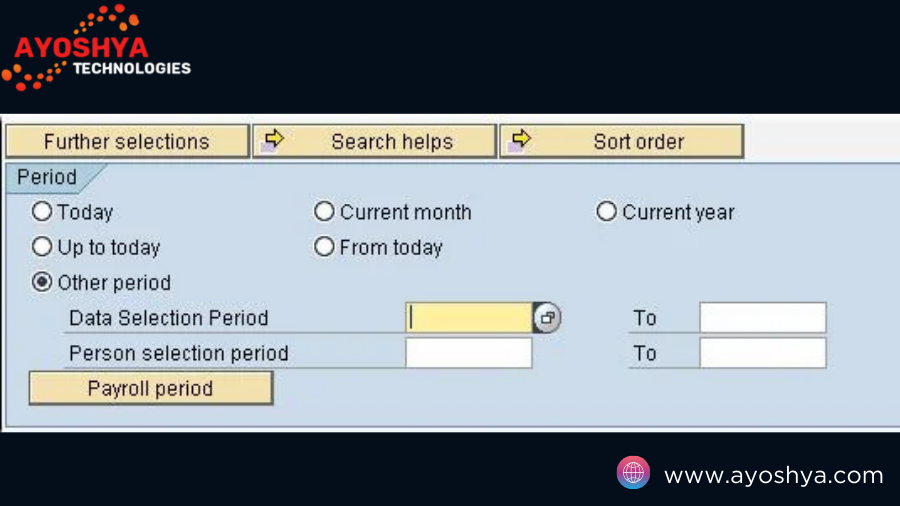
SAP report

What is SAP report?

 Ever wondered what lurks within an SAP report? This guide unveils all (…data types, uses, creation process, and best practices). Equip yourself to leverage SAP reports for informed decision-making!

Ever feel lost in a sea of data, yearning to transform those cryptic numbers into actionable insights? In today’s data-driven world, businesses thrive on the power of information, and SAP sits at the helm, steering countless organizations towards success. But within this vast SAP ecosystem lies a hidden treasure trove – a powerful tool waiting to be unleashed: SAP report. These reports are more than just lines of data; they are the key to unlocking critical business intelligence, empowering you to identify trends, optimize operations, and make smarter decisions that drive real results. This comprehensive guide will transform you from a data decoder to a master of SAP reports, equipping you to harness their power and propel your business to new heights!

Understanding the Anatomy of an SAP Report

Just like a well-crafted story, an effective SAP report follows a clear structure that presents information in a logical and user-friendly manner. Let’s delve into the building blocks that make up an SAP report:

1. Data Elements: The Foundation of Insights

Imagine the data in your SAP system as a vast library. Data elements act as the individual books on the shelves, representing specific pieces of information. These elements can be anything from basic details like customer names and product codes to more complex data points like sales order values and inventory levels. Understanding the available data elements within your SAP system is crucial for crafting reports that target the exact information you need.

  • Selecting the Right Elements: The beauty of SAP reports lies in their customizability. You can choose the specific data elements most relevant to your analysis. For instance, a sales report might include elements like customer name, product category, and sales quantity, while an inventory report might focus on elements like item code, stock level, and reorder point.
  • Data Types and Formatting: Data elements come in various data types, such as text, numbers, dates, and currencies. SAP reports ensure proper formatting for each data type, displaying dates in a user-friendly format and applying currency symbols for financial data. This clear presentation allows for quick comprehension and data analysis.

2. Selection Criteria: Tailoring Your Report to Specific Needs

Not all data is created equal. Selection criteria act as the filter you use on your library of data elements, allowing you to focus on the information most relevant to your current needs. These criteria can be simple or complex, depending on the desired level of detail in your report.

  • Specifying Parameters: Imagine wanting to analyze sales trends for a specific product category over the past quarter. Selection criteria allow you to define these parameters, filtering the report to include only sales data that falls within your chosen category and timeframe.
  • Advanced Filtering Techniques: For more intricate analyses, SAP reports offer advanced filtering options. You can combine multiple criteria using operators like “and” or “or” to pinpoint highly specific subsets of data. For example, you might filter a customer report to show only customers located in a particular region with outstanding invoices exceeding a certain amount.

 Unveiling the Different Types of SAP Reports

The diverse functionalities within the SAP system are mirrored in the variety of SAP report types available. Understanding these different reports empowers you to choose the right tool for the job, ensuring you extract the most valuable insights from your data. Let’s explore the three main categories of SAP reports:

1. Standard SAP Reports: Pre-built Powerhouses

Imagine a well-stocked library with pre-defined sections dedicated to specific topics. Standard SAP reports function similarly, offering a vast collection of pre-built reports covering a wide range of business functions. These reports are readily available within the SAP system, eliminating the need for custom development.

  • Ready-to-Use Convenience: Standard reports are a great starting point, especially for users new to SAP reporting. They cover common business scenarios across various departments, such as sales reports that track revenue by product or customer, inventory reports that provide stock level overviews, and financial reports that analyze key metrics like profitability and cash flow.
  • Customization Options: While standard reports offer a solid foundation, they can often be customized to a certain extent. Users may be able to filter the data based on selection criteria, modify the layout for better visual presentation, and even export the report data to other applications for further analysis.

Standard SAP reports provide a quick and efficient way to access essential business information. However, for situations requiring a more tailored approach, custom SAP reports come into play.

2. Custom SAP Reports: Tailored for Specific Needs

Think of a custom SAP report as a bespoke book crafted specifically for your unique requirements. These reports are designed and developed by SAP consultants (often with ABAP programming skills) to cater to specific user needs and complex data analysis scenarios not addressed by standard reports.

  • In-Depth Analysis: Custom reports delve deeper into the data, allowing you to explore intricate relationships and identify trends that might be hidden within standard reports. For example, a custom report could analyze sales data by product category, customer segment, and geographic location, providing highly granular insights for targeted marketing campaigns.
  • Integration with External Data Sources: The power of custom reports extends beyond SAP data. They can be designed to integrate with external data sources, providing a holistic view of your business operations. Imagine a report that combines sales data from SAP with customer feedback data from a CRM system, offering valuable insights into customer satisfaction and buying behavior.

While offering immense flexibility, custom reports require development expertise and may come at an additional cost. The next type of report bridges the gap between pre-built convenience and customizability.

3. Ad-hoc Queries: Answering Your Burning Questions

Ever have a pressing business question that requires a quick data check? Ad-hoc queries are your answer. These are user-friendly reports generated on-the-fly to address immediate information needs.

  • Flexibility and Speed: Ad-hoc queries allow you to explore data without the need for pre-defined reports or extensive development efforts. They are ideal for quick checks, troubleshooting issues, or verifying data points. Imagine needing to confirm a specific customer’s outstanding invoice balance – an ad-hoc query can provide this information in seconds.
  • Limited Complexity: While convenient, ad-hoc queries are generally less complex than standard or custom reports. They may not be suitable for in-depth analysis or require more advanced filtering capabilities.

The Power of SAP Reports: Unleashing Data Insights

In today’s data-driven business landscape, information is king. But raw data sitting dormant in your SAP system holds little value. This is where SAP reports shine – they transform this data into actionable insights, empowering you to make informed decisions that drive real business results. Let’s explore how SAP reports unlock the power of data analysis across various functions:

1. Sales: Unlocking Revenue Growth Opportunities

Imagine having a crystal ball that reveals your best-selling products, top performing customer segments, and emerging sales trends. SAP reports equip your sales team with this very power.

  • Data-Driven Sales Strategies: Sales reports can analyze sales data by product category, customer location, and sales representative performance. These insights allow you to identify high-performing products, target marketing campaigns towards specific customer segments, and track individual sales rep effectiveness.
  • Predictive Analytics and Forecasting: By analyzing historical sales trends and customer behavior patterns, SAP reports can be used for sales forecasting. This enables you to anticipate future demand, optimize inventory levels, and develop targeted sales strategies to maximize revenue growth.

2. Finance: Making Smarter Financial Decisions

Financial health is the lifeblood of any organization. SAP reports provide the financial transparency needed to make sound financial decisions.

  • Real-Time Financial Performance Monitoring: Generate reports that track key financial metrics like profitability, cash flow, and accounts payable/receivable. These real-time insights enable proactive financial management, allowing you to identify potential cash flow issues and make necessary adjustments to maintain financial stability.
  • Budgeting and Cost Control: Leverage SAP reports to analyze operational costs and identify areas for improvement. By visualizing spending patterns and resource allocation, you can develop data-driven budgets and implement cost-saving measures to optimize your bottom line.

3. Inventory Management: Streamlining Operations and Avoiding Stockouts

Inventory management is a delicate balancing act – ensuring sufficient stock to meet customer needs while avoiding costly overstocking. SAP reports provide the key to achieving this balance.

  • Stock Level Optimization: Generate reports that track inventory levels across various product categories and locations. This allows you to identify potential stockouts and order replenishments in a timely manner, preventing lost sales and customer dissatisfaction.
  • Demand Forecasting and Trend Analysis: By analyzing historical sales data and seasonal trends, SAP reports can help you forecast future demand for specific products. This empowers you to optimize inventory levels, reduce storage costs, and ensure product availability to meet customer needs.

 Creating and Running SAP Reports: Tools

Having explored the various types of SAP reports and their immense value, you’re now ready to leverage them for your business needs. However, the process of creating and running reports can vary depending on your specific SAP version, user permissions, and desired level of customization. Here’s a breakdown of the most common methods:

1. Utilizing Pre-Defined Reports:

The beauty of SAP lies in its pre-built functionalities. The SAP system offers a vast library of standard reports readily available for various business functions. Here’s how to access them:

  • Transaction Codes: Many standard reports are linked to specific transaction codes within SAP. By familiarizing yourself with these codes (often starting with SAP*), you can quickly access relevant reports. For example, the transaction code “VK31” might generate a sales order list report.
  • Navigation Menus: Depending on your SAP version and user interface, standard reports might also be accessible through designated navigation menus within the system. Explore menus related to your specific area of focus (e.g., Sales & Distribution, Finance) to locate relevant pre-defined reports.

2. Building Custom Reports (for Developers):

For scenarios requiring a more tailored approach, custom reports are the answer. However, creating these reports necessitates the expertise of SAP developers, often skilled in ABAP programming.

  • ABAP Programming: ABAP is the heart of SAP development, allowing programmers to create custom reports that cater to specific data analysis needs. These reports can extract data from various SAP modules, apply complex filtering criteria, and present the information in a user-friendly format.
  • Collaboration is Key: Effective communication between business users and SAP developers is crucial for crafting custom reports that meet specific requirements. Clearly define your reporting needs and desired data insights to ensure the developer builds a report that perfectly aligns with your business goals.

3. Leveraging User-Friendly Reporting Tools:

Thankfully, the SAP ecosystem offers user-friendly reporting tools that empower even non-technical users to create basic reports without extensive coding knowledge.

  • SAP Crystal Reports: A popular add-on tool that allows users to drag-and-drop data elements, define selection criteria, and generate reports with various layout options. While not as complex as custom ABAP reports, Crystal Reports offers a user-friendly way to create basic yet informative reports.
  • SAP Query (Ad-hoc Reporting): Certain SAP versions offer a built-in query tool that facilitates ad-hoc reporting. Users can access and manipulate data from various tables within the system, allowing for quick data exploration and generation of simple reports to address immediate information needs.

Conclusion:

Transforming Data into Actionable Insights with SAP Reports

In today’s data-driven world, the ability to extract meaningful insights from information is paramount. This comprehensive guide has unveiled the power of SAP reports, transforming them from a mystery into a powerful tool for unlocking business intelligence. We’ve explored the building blocks of SAP reports, including data elements, selection criteria, and various layout options. You’ve discovered the three main report types – standard, custom, and ad-hoc queries – empowering you to choose the right report for your specific needs. We’ve delved into how SAP reports unlock valuable insights across various functions, from optimizing sales strategies and streamlining inventory management to making informed financial decisions. Finally, you’ve been equipped with the knowledge to create and run SAP reports, leveraging pre-defined reports, collaborating with developers for custom solutions, or utilizing user-friendly reporting tools.

Remember, mastering SAP reports is an ongoing journey. Don’t be discouraged if you don’t become an SAP reporting guru overnight. Start by exploring the pre-defined reports most relevant to your role. As your comfort level grows, experiment with ad-hoc queries and even consider attending training sessions or online courses to enhance your SAP reporting skills. The power to transform data into actionable insights lies within your grasp. Embrace SAP reports, and watch your business soar to new heights of data-driven success!

if you may be inyterested in this blog here

Ppt Sap Abap Coaching india Powerpoint Presentation, Free

Key IS-U Modules

The Roadmap to Salesforce Developer Excellence: Answering Your Burning FAQs
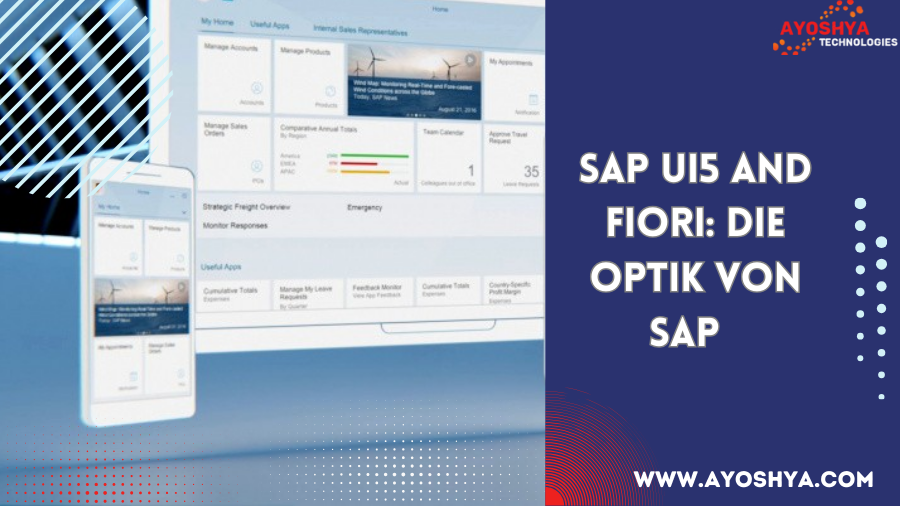
SAP UI5 And Fiori: Die Optik von SAP

SAP UI5 and Fiori

SAP UI5 And Fiori: Die Optik von SAP

Uncover the secrets behind the modern look and feel of SAP! Explore SAP UI5 and Fiori (Die Optik von SAP) – the cornerstones of SAP’s user experience revolution (…continues). Enhance user adoption and streamline workflows. Learn more today!

 Frustrated by Fatigued Fingers and Faded Interfaces in SAP?

(Die Optik von SAP) There’s Hope!

Ever feel like navigating your SAP system is akin to battling through a maze in monochrome? (We’ve all been there!) The traditional SAP user interface (SAP GUI), while functional, can leave users yearning for a more modern and intuitive experience. But fear not, fellow SAP users! A visual revolution is underway, and it’s all thanks to SAP UI5 and Fiori (Die Optik von SAP, or “The Look of SAP” in German). These powerful tools are transforming the way users interact with SAP applications, ushering in an era of user-centric design and streamlined workflows. Get ready to ditch the finger gymnastics and embrace a world of intuitive interfaces, improved usability, and a whole lot less frustration. This guide will unveil the magic behind SAP UI5 and Fiori, empowering you to understand and leverage these game-changers for a more enjoyable and productive SAP experience.

SAP UI5: The Building Blocks of a Modern UI

So, we’ve established that the traditional SAP GUI, while trusty, isn’t exactly winning any awards for user-friendliness. Enter SAP UI5, the hero in this story and the foundation for a modern SAP user experience. Think of it as a toolbox brimming with the essential components you need to build sleek, user-friendly interfaces for your SAP applications. But what exactly is SAP UI5, and how does it work its magic?

  • The Power of JavaScript Under the Hood: At its core, SAP UI5 is a JavaScript library. This means it leverages the power and flexibility of JavaScript, a widely used web development language, to create interactive and dynamic user interfaces. This is a significant shift from the traditional SAP GUI, which relies on proprietary technologies. The benefit? Developers familiar with JavaScript can easily pick up SAP UI5, accelerating the development process and fostering a wider pool of talent for building modern SAP applications. Imagine a world where building user-friendly SAP interfaces isn’t limited to a select few – SAP UI5 opens the door for a broader range of developers to contribute to the SAP development landscape.
  • A Responsive Design Philosophy: Gone are the days of interfaces that look clunky and out of place on different devices. SAP UI5 embraces responsive design principles, ensuring that the user interface adapts seamlessly to various screen sizes, from desktop monitors to tablets and even smartphones. This is crucial in today’s mobile-first world, where users expect applications to be accessible and functional regardless of the device they’re using. Imagine a single user interface that looks sharp and functions flawlessly on a large office monitor, a tablet during a client meeting, or even a smartphone while on the go – SAP UI5’s responsive design ensures a seamless user experience across all devices. This flexibility empowers users to access critical SAP information and functionalities anytime, anywhere.

In addition to responsive design and its JavaScript foundation, SAP UI5 boasts a wealth of features that contribute to a rich user experience. We’ll delve into these features and explore the development process for SAP UI5 applications in the following sections. But for now, let’s shift our focus to the design principles that guide the overall look and feel of these modern SAP interfaces – enter Fiori!

Fiori: Design Principles for an Intuitive Experience

SAP UI5 provides the building blocks, but it’s SAP Fiori that truly defines the look and feel of modern SAP applications. Think of Fiori as a design language, a set of guiding principles that ensure SAP UI5 applications are not just functional, but also intuitive and user-friendly. By adhering to these principles, developers can create interfaces that are a joy to use, fostering user adoption and streamlining workflows across the organization. So, what are the core principles that make Fiori so effective?

  • Putting Users at the Center: Role-Based Design: One of the hallmarks of Fiori is its focus on role-based design. This means that SAP applications built with Fiori principles cater to the specific needs and tasks of different user groups within an organization. Imagine a salesperson needing quick access to customer data and quotation tools, while a finance professional might require functionalities for managing budgets and reports. Fiori ensures that users only see the features and functionalities relevant to their roles, eliminating clutter and simplifying the user experience. This targeted approach saves users time and reduces frustration by eliminating the need to navigate through irrelevant information. A salesperson can focus on closing deals, while a finance professional can concentrate on financial tasks, all within a user interface designed specifically for their needs.
  • Simplicity is Key: A Clean and Uncluttered Interface: Fiori applications are known for their clean and uncluttered design. Gone are the days of overwhelming menus and complex layouts. Fiori prioritizes simplicity, with a focus on clear and concise information presentation. Think of it as a well-organized workspace where everything has its designated place. This minimalist approach reduces cognitive load for users, allowing them to quickly find the information and functionalities they need without getting lost in a maze of menus and buttons. Additionally, Fiori leverages intuitive icons and clear labeling to make user interaction as straightforward as possible. Imagine a dashboard that displays key metrics in a visually appealing and easy-to-understand format – Fiori’s focus on simplicity ensures users can grasp critical information at a glance, enabling quicker decision-making.

The Impact of SAP UI5 and Fiori:

A User-Centric Revolution

The combination of SAP UI5 and Fiori isn’t just about aesthetics; it represents a fundamental shift towards a user-centric approach within the SAP ecosystem. By leveraging these powerful tools, developers can create SAP applications that are not only visually appealing but also intuitive, efficient, and empowering for users. Let’s explore the multifaceted impact of this user-centric revolution:

  • Empowering Users: Improved Usability and Increased Adoption: Traditional SAP interfaces could be notoriously complex and challenging to navigate, leading to user frustration and hindering adoption. SAP UI5 and Fiori address this issue head-on. The responsive design principles of SAP UI5 ensure a seamless experience across devices, while Fiori’s focus on role-based design and clear information presentation simplifies user interaction. Imagine a new employee who can quickly grasp the functionalities of an SAP application without extensive training. This improved usability translates into increased user adoption, as users are more likely to embrace and leverage the full potential of SAP applications within their daily workflows. A more engaged and productive workforce is a direct consequence of a user-friendly SAP experience.
  • Streamlined Workflows and Enhanced Productivity: Beyond aesthetics, SAP UI5 and Fiori offer practical benefits that directly impact business processes. The intuitive design and clear information presentation within Fiori applications empower users to find the information and functionalities they need quickly and efficiently. Imagine a salesperson who can effortlessly generate quotes or a finance professional who can readily access critical financial reports. This translates to streamlined workflows, as users can complete tasks faster and with fewer errors. The improved efficiency gained through a user-centric SAP experience translates into significant productivity gains for businesses. Employees can focus on core tasks and strategic initiatives, ultimately driving better business outcomes.
  • A Foundation for the Future: Integration and Innovation: SAP UI5 and Fiori aren’t static entities; they’re constantly evolving to keep pace with technological advancements. The modular design of SAP UI5 facilitates integration with other technologies, including artificial intelligence (AI) and machine learning (ML). This opens exciting possibilities for future SAP applications, such as AI-powered recommendations or chatbots that can assist users with specific tasks. By embracing these advancements, SAP is ensuring that its applications remain relevant and user-friendly in the ever-evolving technological landscape. The user-centric foundation laid by SAP UI5 and Fiori empowers businesses to leverage future innovations and continuously enhance their SAP user experience.

Mysteries of SAP UI5 and Fiori

Now that you’re equipped with a solid understanding of SAP UI5 and Fiori, let’s delve into some frequently asked questions to solidify your knowledge and empower you to leverage these tools effectively:

  • Is SAP UI5 required to use Fiori?

While SAP UI5 provides the technical foundation for building modern SAP user interfaces, Fiori isn’t strictly dependent on it. Fiori can be implemented on top of existing UI technologies within SAP applications. However, the true magic happens when you combine the two. SAP UI5 offers the technical functionalities and responsive design capabilities, while Fiori provides the design language and user experience principles. This powerful combination is what truly revolutionizes the look and feel of SAP applications. Imagine building a user interface with the flexibility of SAP UI5 but ensuring it adheres to the intuitive and user-friendly design principles of Fiori. This is the ideal scenario for creating a modern and user-centric SAP experience.

  • What are the differences between SAP GUI and Fiori?

The core difference lies in the user experience philosophy. SAP GUI, the traditional interface, is known for its desktop-centric approach and complex navigation menus. Fiori, on the other hand, is designed with a mobile-first approach, offering a clean, intuitive interface with role-based functionalities. Think of SAP GUI as a filing cabinet – functional but potentially overwhelming to navigate. Fiori, in contrast, is like a well-organized workspace – everything is readily accessible and presented in a way that simplifies user interaction. Additionally, Fiori leverages responsive design principles, ensuring a seamless experience across various devices, whereas SAP GUI is primarily optimized for desktop computers. These factors combined contribute to a significantly improved user experience with Fiori compared to the traditional SAP GUI.

  • How can I learn more about developing SAP UI5 applications?

SAP offers a wealth of resources for developers interested in learning SAP UI5. The SAP developer center provides comprehensive documentation, tutorials, and code samples to get you started. Additionally, there are numerous online courses and certification programs available to deepen your knowledge and skills. The SAP UI5 community is also a valuable resource, offering forums and discussions where you can connect with other developers and learn from their experiences. By exploring these resources and actively engaging with the SAP UI5 community, you can equip yourself with the necessary skills to build modern and user-friendly SAP applications.

Conclusion:

Embrace the Modern Face of SAP – Unleash the Power of UI5 and Fiori

No more battling with clunky interfaces and outdated designs within your SAP system! This comprehensive guide has unveiled the secrets behind the modern look and feel of SAP – SAP UI5 and Fiori. We’ve explored how SAP UI5, a JavaScript library, empowers developers to build responsive and user-friendly interfaces. We’ve delved into the core principles of Fiori, a design language that prioritizes role-based functionality, simplicity, and an intuitive user experience. The PAA section addressed common questions, ensuring you have a clear understanding of how these tools work together and how they differ from traditional SAP interfaces.

Remember, the user experience is paramount for successful SAP adoption within your organization. By leveraging SAP UI5 and Fiori, you can create modern SAP applications that are not only visually appealing but also intuitive, efficient, and empowering for your users. Imagine a workforce that can navigate SAP applications with ease, complete tasks faster, and make data-driven decisions with confidence. This is the power that SAP UI5 and Fiori unleash!

So, take action today! Explore the wealth of resources available from SAP and the developer community to delve deeper into SAP UI5 development. Experiment with Fiori’s design principles to create user-centric interfaces for your SAP applications. As you embark on this journey, remember – a user-friendly SAP environment is a more productive and successful SAP environment. Embrace the future of SAP with UI5 and Fiori, and watch your users thank you for it!

you may be interested un this blog here:

The Salesforce Developer Journey: Addressing Your Most Important FAQs (2024)

Introduction to SAP IS-U

 Current Date in SAP Business One HANA

SAP Business One partner in Mumbai

Upgrade Your Business: Top SAP Business One Partners in Mumbai

Empower your Mumbai SME with a powerful ERP solution! Discover the top SAP Business One partners in Mumbai to streamline operations, gain data-driven insights, and boost growth…

Struggling to manage your growing Mumbai SME? Feeling overwhelmed by data silos and disconnected operations? There’s a solution!

Imagine transforming your business from a juggling act to a well-oiled machine. Envision streamlining operations, gaining real-time insights, and making data-driven decisions that propel your Mumbai SME to new heights. This is the power of SAP Business One, a powerful Enterprise Resource Planning (ERP) solution designed specifically for the needs of small and medium-sized businesses. But implementing such a system requires the right partner – a trusted advisor who understands your unique challenges and can navigate the complexities of SAP Business One. That’s where this guide comes in. We’ll unveil the top SAP Business One partners in Mumbai, empower you to choose the perfect fit, and unlock the path to streamlined success for your business. So, ditch the frustration and embrace the future –

Top SAP Business One Partners in Mumbai: Unleashing Your SME’s Potential

Selecting the ideal SAP Business One partner in Mumbai is akin to choosing a co-pilot for your business’s growth journey. Their expertise becomes an extension of your own, ensuring a smooth implementation and maximizing the return on your investment. So, how do you identify the most qualified partners from the pack? Here’s a breakdown of key factors to consider, along with some of Mumbai’s most respected SAP Business One providers:

Client Testimonials: A Window into Success

Positive client testimonials are a powerful testament to a partner’s ability to deliver results. Look for partners who showcase success stories on their websites or social media platforms. These testimonials should detail the specific challenges addressed, solutions implemented, and the positive impact on the client’s business. Reaching out to past clients directly for references can also provide invaluable insights.

Deep Industry Expertise: Understanding Your Business Language

An SAP Business One partner well-versed in your industry brings a distinct advantage. They understand the unique challenges and workflows specific to your sector, enabling them to tailor the implementation to perfectly align with your business processes. For instance, a partner with experience in the textile industry can recommend industry-specific functionalities within SAP Business One to optimize inventory management and production planning.

Awards and Recognitions: Hallmarks of Excellence

Industry awards and recognitions bestowed upon an SAP Business One partner signify their commitment to excellence. These accolades often reflect the partner’s consistent delivery of high-quality services, customer satisfaction, and innovative implementation approaches. Look for partners recognized by SAP itself or by independent industry bodies for their outstanding work in the SAP Business One space.

Key Considerations When Choosing a SAP Business One Partner: Building a Strong Foundation for Success

Selecting the right SAP Business One partner is a critical decision that sets the stage for a successful implementation and ongoing system utilization. Here are some key factors to meticulously evaluate before making your choice:

Experience with Your Specific Industry:

As mentioned earlier, industry expertise is a golden thread woven into the fabric of a successful partnership. A partner with experience in your specific industry possesses a distinct advantage. They understand the intricacies of your business environment, the regulatory landscape you navigate, and the common pain points faced by your peers. This translates into a more efficient implementation process, as the partner can leverage pre-configured industry-specific templates and best practices within SAP Business One. Furthermore, they can anticipate your specific needs and recommend functionalities that directly address the challenges unique to your industry. For example, a partner experienced in the pharmaceutical industry can ensure seamless integration of compliance-related features within SAP Business One, streamlining regulatory processes for your business.

Implementation Methodology and Timeline:

Every successful project hinges on a well-defined roadmap. Inquire about the partner’s implementation methodology and typical timelines. A reputable partner will employ a structured approach that involves comprehensive needs assessment, system configuration tailored to your specific requirements, data migration planning, user training, and post-go-live support. A clearly defined timeline with milestones ensures transparency and keeps the project on track. Be wary of partners who offer unrealistic timelines or lack a transparent methodology.

Benefits of Working with a Local SAP Business One Partner:

Choosing a local SAP Business One partner in Mumbai brings a unique set of advantages to the table, fostering a more collaborative and successful implementation experience. Here’s how a local partner can elevate your project:

Understanding of Local Business Needs and Regulations:

A local partner possesses an inherent understanding of the business landscape in Mumbai. They are familiar with the specific regulations, compliance requirements, and tax structures that your business must adhere to. This local knowledge ensures that your SAP Business One implementation is configured to seamlessly integrate with these local nuances. For instance, a local partner can ensure your system is set up to generate invoices that comply with Indian tax regulations and integrate seamlessly with e-filing procedures. Furthermore, they can advise on any industry-specific regulations that may impact your use of SAP Business One functionalities.

Stronger Communication and Collaboration:

Working with a local partner fosters a closer working relationship. Time zone differences and cultural barriers are minimized, leading to more efficient communication and collaboration throughout the implementation process. Local partners are readily available for face-to-face meetings, training sessions, and ongoing support. This proximity fosters a deeper understanding of your specific needs and allows for a more collaborative approach to problem-solving and system optimization. Imagine being able to easily schedule in-person consultations with your partner to address any concerns or questions – a distinct advantage offered by a local provider.

Faster Response Times and Support:

A local partner translates into faster response times and more readily available support. Should any technical issues arise after implementation, a local partner can provide quicker troubleshooting and resolution. They are also more likely to be familiar with local infrastructure and any potential compatibility concerns that might arise. This translates into minimized downtime and ensures your business operations remain uninterrupted. The peace of mind that comes with knowing your trusted partner is just a phone call away is a valuable asset, especially during critical times.

Conclusion

In conclusion, implementing SAP Business One can be a transformative step for your Mumbai SME, empowering you with streamlined operations, data-driven decision making, and a significant boost in efficiency. But choosing the right partner is paramount to maximizing the return on your investment. By prioritizing factors like proven client success stories, deep industry expertise, and a well-defined implementation methodology, you can identify a partner who becomes a trusted advisor on your growth journey. Remember, a local Mumbai partner brings additional advantages to the table – a nuanced understanding of local regulations, seamless communication, and rapid response times. Don’t settle for a one-size-fits-all approach. Leverage the insights in this guide to embark on a targeted search and unlock the full potential of SAP Business One for your business. Remember, a successful SAP Business One implementation is a marathon, not a sprint. Choose a partner who is committed to running alongside you every step of the way.

you may be interested in this blog here:-

Beyond Certifications: Building Confidence and Competence in Salesforce Administration Training

Advanced BOPF Features

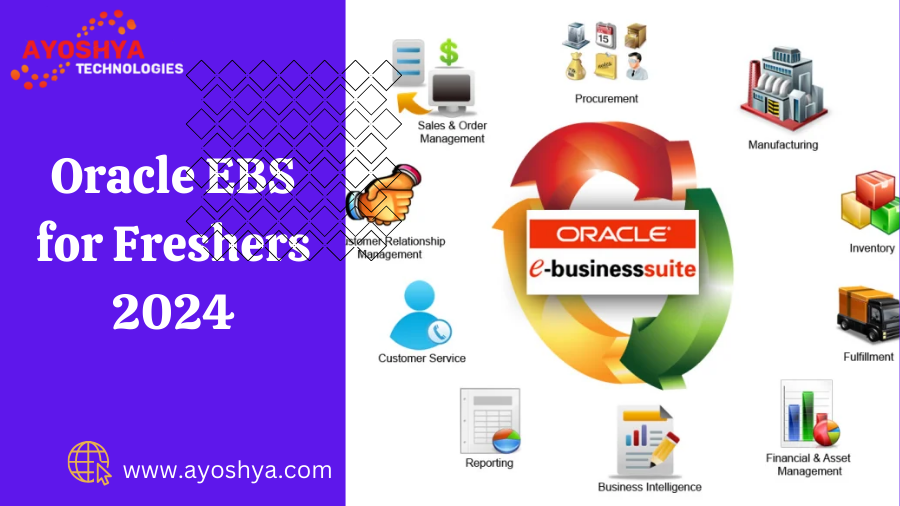
Oracle EBS for Freshers 2024

New to the tech world? Intrigued by Oracle EBS? This comprehensive guide explores Oracle EBS for freshers in 2024! Discover in-demand skills, career paths, and valuable resources to launch your journey…

Just landed your shiny new computer science degree, eager to conquer the tech world? Feeling overwhelmed by the never-ending list of acronyms and software options? Well, fret no more, curious go-getter! There’s a powerful gem hidden within the realm of enterprise software, and its name is Oracle EBS. Oracle EBS, or Enterprise Business Suite, isn’t just another tech dinosaur – it’s a thriving ERP (Enterprise Resource Planning) system that keeps countless businesses humming. And guess what? The demand for skilled Oracle EBS professionals is hotter than ever. So, if you’re a curious fresher eager to launch a successful tech career in 2024, keep reading! This guide will unveil the exciting world of Oracle EBS, explore in-demand skills and hot career paths, and equip you with the resources to embark on your journey as a sought-after Oracle whiz. Buckle up, because your tech odyssey starts now!

Understanding Oracle EBS: The Backbone of Business Operations

Imagine a large corporation – a complex ecosystem where finances flow, products move, and a talented workforce keeps everything running smoothly. This intricate dance is precisely where Oracle EBS steps in. It acts as the maestro, the central nervous system that orchestrates all these critical business functions. Let’s delve deeper into the core functionalities of Oracle and the magic it brings to organizations.

Core Functionalities: Streamlining Business Processes

Oracle boasts a comprehensive suite of integrated modules, each catering to a specific aspect of business operations. Here’s a glimpse into some of the key functionalities:

  • Financials: This module takes center stage, managing everything from accounts payable and receivable to general ledger and budgeting. Imagine a financial control tower, meticulously tracking every penny that flows in and out of the organization.
  • Supply Chain Management: Ever wondered how businesses manage the intricate dance of procuring materials, manufacturing products, and delivering them to customers? The Supply Chain Management module oversees this entire lifecycle, ensuring efficient inventory management, order fulfillment, and logistics coordination.
  • Human Capital Management: Happy employees are the heart of any successful organization. The Human Capital Management module takes care of all things people-related, from recruitment and onboarding to payroll processing and performance management.

These are just a few examples – Oracle offers a wide range of additional modules catering to specific industry needs, such as CRM (Customer Relationship Management) for sales and marketing or Project Management for coordinating complex endeavors. By integrating all these functionalities within a single system, Oracle EBS eliminates data silos and fosters seamless communication across different departments.

Benefits for Businesses: Efficiency, Insights, and Growth

Equipping a business with Oracle is like giving it a superpower boost. Here are some of the key benefits organizations reap from implementing this robust system:

  • Improved Operational Efficiency: Streamlined workflows, automated processes, and centralized data management – these are the hallmarks of an efficient business. Oracle automates repetitive tasks, eliminates manual data entry errors, and provides a single source of truth for all business-critical information.
  • Enhanced Decision-Making: Data is the new gold, and Oracle helps businesses unlock its true value. Powerful reporting tools and real-time insights empower leaders to make data-driven decisions, identify trends, and optimize operations for maximum impact.
  • Scalability and Adaptability: The business world is dynamic, and so are business needs. Oracle is built to scale, allowing businesses to add new modules or users as they grow. Its adaptability also ensures it can accommodate evolving industry regulations and technological advancements.

In short, Oracle goes beyond just managing day-to-day operations. It equips businesses with the tools and insights they need to thrive in today’s competitive landscape.

Career Paths in Oracle EBS for Freshers: Charting Your Course to Success

The world of Oracle EBS offers a diverse landscape of career paths, each catering to different skillsets and interests. As a fresher brimming with potential, the key lies in identifying the path that aligns with your strengths and aspirations. Here are some of the most sought-after career paths within Oracle, along with the exciting opportunities that await you:

1. Functional Consultant: The Business Process Guru

Do you have a knack for understanding complex business processes and a passion for translating them into technical solutions? Then the path of a Functional Consultant might be your calling. As a Functional Consultant, you’ll act as the bridge between business users and the technical aspects of Oracle EBS. Your responsibilities will involve:

  • Analyzing business requirements and workflows.
  • Configuring Oracle modules to meet those specific needs.
  • Developing user documentation and training materials.
  • Providing ongoing support to end-users on how to utilize the system effectively.

This role requires a strong understanding of core business processes, coupled with in-depth knowledge of relevant Oracle modules. Excellent communication and interpersonal skills are also crucial, as you’ll be working closely with both technical teams and business stakeholders.

2. Technical Consultant: The Tech Whisperer

Are you fascinated by the inner workings of software systems and possess a problem-solving mindset? Then the Technical Consultant path might be the perfect fit. In this role, you’ll delve into the technical aspects of Oracle , ensuring the system runs smoothly and efficiently. Your core responsibilities may include:

  • Installing, configuring, and maintaining Oracle EBS applications.
  • Developing custom code extensions or integrations to address specific business needs.
  • Troubleshooting technical issues and ensuring system uptime.
  • Staying updated on the latest Oracle EBS technologies and best practices.

A strong foundation in database management systems (like SQL) and programming languages (like PL/SQL) is essential for this path. Additionally, analytical thinking and the ability to understand complex technical concepts are key assets for success.

3. Business Analyst: The Bridge Between Business and IT

Do you possess a blend of business acumen and analytical skills? Then the role of a Business Analyst within Oracle EBS could be your ideal match. As a Business Analyst, you’ll act as a liaison between the business world and the IT department. Your responsibilities will involve:

  • Gathering and analyzing business requirements for potential Oracle EBS implementations or upgrades.
  • Working with stakeholders to define project scope and objectives.
  • Documenting and communicating business processes to the technical team.
  • Testing and validating system configurations to ensure they meet business needs.

This role requires strong analytical and problem-solving skills, along with excellent communication and collaboration abilities. Business Analysts play a crucial role in ensuring that Oracle EBS implementations deliver real value to the organization.

Essential Skills for Success in Oracle EBS: Building Your Skillset for the Future

The world of Oracle EBS rewards those who come equipped with the right tools. While specific skill requirements may vary depending on your chosen career path, there’s a core foundation that will empower you to thrive in this dynamic field. Let’s explore the essential skillsets you’ll need to cultivate for a successful career in Oracle EBS:

1. Technical Skills: The Nuts and Bolts

Even if you’re drawn to the business side of Oracle EBS, a grasp of technical fundamentals is invaluable. Here’s a breakdown of the key technical skills to focus on:

  • Understanding of Relational Databases: Oracle EBS leverages a relational database structure. Familiarity with core database concepts like tables, queries, and data manipulation (SQL) will provide a solid foundation for understanding how data flows within the system.
  • Basic Programming Knowledge: While you might not be writing complex applications, having a basic understanding of programming concepts, particularly PL/SQL used within Oracle EBS, will prove beneficial. This knowledge can help you comprehend system functionalities at a deeper level and collaborate effectively with technical consultants.

Remember, you don’t need to be a programming guru, but a foundational understanding of these technical aspects will go a long way in your Oracle EBS journey.

2. Functional Skills: Knowing the System Inside Out

Now let’s delve into the functional side of things. Equipping yourself with knowledge of specific Oracle EBS modules is crucial:

  • Core Functionality: Gain a solid understanding of core modules like Financials, Supply Chain Management, and Human Capital Management. This foundational knowledge will provide a context for understanding how different parts of the system interact.
  • Specialization: As you progress in your career, consider specializing in a particular module that aligns with your interests or industry focus. This in-depth knowledge will make you a valuable asset in specific project implementations or consulting roles.

There are numerous resources available to help you build your functional expertise, from online courses and tutorials to certification programs offered by Oracle itself.

3. Soft Skills: The Power of Communication and Collaboration

The world of Oracle EBS isn’t just about technical prowess – soft skills are equally important. Here are some key areas to focus on:

  • Communication: The ability to communicate complex technical concepts in a clear and concise manner is essential. You’ll be working with both technical and non-technical stakeholders, so strong written and verbal communication skills are crucial.
  • Problem-Solving: Inevitably, you’ll encounter challenges and system issues. Developing strong analytical and problem-solving skills will enable you to troubleshoot effectively and find solutions.
  • Teamwork: Oracle EBS implementations and ongoing support often involve collaboration with various teams. The ability to work effectively within a team environment, fostering open communication and actively listening to diverse perspectives, is key to achieving successful outcomes.

Future of Oracle EBS and Staying Relevant: Charting Your Course in an Evolving Landscape

The world of technology is a constant dance of innovation. As cloud-based solutions gain momentum, you might wonder – what does the future hold for Oracle EBS? While the rise of cloud alternatives is undeniable, Oracle EBS remains a powerful and irreplaceable solution for countless businesses worldwide. Here’s a closer look at the future landscape and how you can stay relevant in this ever-evolving environment:

Oracle EBS and the Cloud: Coexistence and Continued Value

Oracle itself recognizes the growing importance of cloud solutions. They offer Oracle Cloud ERP, a cloud-based version of their ERP suite. However, this doesn’t necessarily spell the end for Oracle EBS on-premise deployments. Many businesses have invested heavily in customizing and configuring their Oracle EBS systems to perfectly align with their specific needs. A full-scale migration to the cloud might not be a feasible or cost-effective option for them.

Oracle has acknowledged this by committing to long-term support for Oracle EBS. They’ve announced continuous innovation plans with regular updates and security patches well into the future (at least until 2034). This ensures ongoing value for businesses that rely on their existing Oracle EBS infrastructure.

The Importance of Continuous Learning and Adaptability

So, where does this leave you as a fresher entering the Oracle EBS space? The key lies in continuous learning and adaptability. While a strong foundation in Oracle EBS is valuable, equip yourself with knowledge of emerging technologies like cloud ERP solutions. Here’s how you can stay ahead of the curve:

  • Explore Cloud-Based Solutions: Familiarize yourself with the functionalities offered by Oracle Cloud ERP and other cloud-based ERP solutions. Understanding the strengths and limitations of both on-premise and cloud-based systems will make you a more versatile professional.
  • Stay Updated with Industry Trends: Actively follow industry publications, attend conferences, and participate in online communities to stay abreast of the latest trends in ERP technology. This will allow you to identify new skills and knowledge areas that might be in demand in the future.

By demonstrating a willingness to learn and adapt, you’ll position yourself as a valuable asset in the ever-changing world of enterprise resource planning. Remember, the skills you develop in understanding core business processes and leveraging technology within Oracle EBS will translate well to other ERP systems, both on-premise and cloud-based.

Conclusion

Launching Your Thriving Career in Oracle EBS

The world of Oracle EBS beckons, brimming with exciting opportunities for curious and ambitious freshers like you! This comprehensive guide has unveiled the power of Oracle EBS – a robust ERP system that keeps countless businesses humming. We explored the core functionalities that streamline operations, the diverse career paths that cater to different skillsets, and the essential skillset that equips you for success.

Remember, a strong foundation in Oracle EBS – from technical aspects to functional expertise – coupled with honed soft skills like communication and teamwork, will be your launchpad for a rewarding career. We delved into the wealth of learning resources available, from free online courses to industry certifications and practical experience opportunities. Don’t be discouraged by the ever-evolving technological landscape – Oracle EBS remains a valuable solution with guaranteed long-term support. Embrace continuous learning, explore cloud-based solutions, and stay updated with industry trends to ensure your adaptability in the dynamic world of ERP.

So, are you ready to embark on your Oracle EBS odyssey? Take action today! Start exploring the resources mentioned, actively engage with the learning communities, and build your skillset. The world of Oracle EBS awaits, and with dedication and passion, you can carve your niche as a sought-after Oracle EBS whiz! Remember, the journey to a successful career begins with that first step. So, lace up your tech boots and get started – the exciting world of Oracle EBS awaits!

you may be interested in this blog here

Bridging Dreams to Reality: Fulfilling Career Aspirations through Salesforce Administration certification

Mastering Object Relationships

A Guide Amazon AppFlow SAP OData connector 

SAP Business One
SAP

SAP Business One Pricing & Costs in india 

Considering SAP Business One for your Indian business? This guide unveils the pricing structure, including license costs, implementation fees, and more..

Frustrated by Fragmented Systems Holding Your Indian Business Back? SAP Business One Could Be Your Key to Growth!

Imagine this: your business is flourishing, new customers are pouring in, and your spreadsheets are overflowing with data. But instead of celebrating success, you're drowning in manual processes and struggling to maintain control. This is a common scenario for many small and medium-sized enterprises (SMEs) in India. That's where a robust Enterprise Resource Planning (ERP) system like SAP Business One steps in. SAP Business One is a powerful, yet user-friendly ERP solution specifically designed for the needs of SMEs, and it boasts a significant presence in the Indian market. This system seamlessly integrates your financials, inventory, customer relationship management (CRM), and more, transforming your operations into a well-oiled machine. But here's the burning question for every business owner: how much does SAP Business One cost in India? Fear not, because this comprehensive guide will unveil the intricacies of SAP Business One pricing, demystifying the costs, inclusions, and even potential hidden fees. We'll explore the factors influencing the final price tag, ensuring you make an informed decision for your Indian business. So, buckle up and get ready to unlock the true potential of SAP Business One!

Unveiling the Cost of SAP Business One in India

Understanding the cost structure of SAP Business One is crucial for making an informed decision for your Indian SME. Unlike a one-size-fits-all solution, SAP Business One offers a modular pricing approach, catering to businesses of various sizes and needs. Let's delve deeper into the key cost components and shed light on the factors influencing the final price tag.

sap business objects, sap business partners in mumbai.
sap business one price, sap business application studio
sap business technology platform, sap business bydesign, sap business.

  • Breakdown of Costs: SAP Business licensing fees are the foundation of the cost structure. These fees are typically priced per user, and the specific license type you choose determines the functionalities available to each user. Here's a closer look at the common license types:
    • Starter Pack: This is an ideal entry point for smaller businesses with up to five users. It offers core functionalities in financials, inventory management, and sales & purchasing.Professional User: This license grants users access to all the features included in the Starter Pack, plus additional functionalities in areas like CRM, reporting, and project management.PLM (Product Lifecycle Management) User: This advanced license caters to businesses with complex manufacturing needs and provides functionalities for product data management and bill of materials.

    The cost per user varies depending on the chosen license type. Generally, the more comprehensive the license, the higher the cost per user. However, keep in mind that providing essential functionalities to a wider range of users within your organization can streamline processes and enhance overall efficiency.

  • Breakdown of Costs (Continued): Beyond licensing fees, implementation costs are another crucial factor to consider. Implementation refers to the process of configuring SAP Business One to meet your specific business needs. This typically involves data migration, system customization, and user training. Several factors influence the implementation cost:
    • Project Complexity: Straightforward implementations for businesses with basic needs will naturally cost less compared to complex projects requiring extensive customization.
    • Customization Needs: The level of customization required to tailor SAP Business One to your unique workflows will impact the implementation cost.
    • Chosen Partner: The experience and expertise of your chosen SAP Business One implementation partner can influence the cost. Authorized partners with proven track records might command a premium, but they also offer valuable expertise to ensure a smooth implementation.

Remember, a successful implementation is an investment that lays the foundation for long-term success with SAP Business One. While upfront costs might seem significant, a well-executed implementation can optimize your operations, boost productivity, and ultimately lead to a significant return on investment (ROI).

Beyond the Price Tag: Value Inclusions of SAP Business

While the cost of SAP Business is a significant consideration, it's crucial to understand the value proposition it offers beyond the price tag. Unlike basic accounting software, SAP Business is a comprehensive ERP system that streamlines and integrates various critical business functions. Let's explore the core functionalities included in SAP Business licenses and delve into the additional value it brings to Indian businesses.

  • Features and Functionalities: SAP Business empowers you with a robust suite of features that cater to various aspects of your business operations. Out of the box, you'll gain access to functionalities in:
    • Financials: Manage your finances efficiently with features for accounts payable & receivable, general ledger, and banking integration. Gain real-time insights into your cash flow and make data-driven financial decisions.Inventory Management: Maintain optimal stock levels, track product movements, and automate reorder points. SAP Business One's inventory management features empower you to minimize stockouts and optimize inventory costs.Sales & Purchasing: Streamline your sales cycle with functionalities for lead management, quotation generation, and order processing. The purchasing module simplifies procurement processes and helps you negotiate better deals with vendors.Customer Relationship Management (CRM): Build stronger relationships with your customers by leveraging CRM functionalities for contact management, opportunity tracking, and service requests. Enhance customer satisfaction and foster loyalty.

    These are just a few of the core functionalities included in SAP Business One licenses. The specific features available will depend on the chosen license type (Starter Pack, Professional, etc.). However, with this comprehensive suite of tools at your disposal, you can gain a holistic view of your business operations, improve decision-making, and ultimately achieve greater efficiency and profitability.

  • Scalability and Customization: As your Indian business flourishes, your needs will inevitably evolve. The beauty of SAP Business One lies in its scalability. The system can grow alongside your business, accommodating an increasing number of users and expanding functionalities as needed. Furthermore, SAP Business One offers a degree of customization, allowing you to tailor the system to your specific workflows and industry requirements. This ensures that SAP Business One seamlessly integrates with your existing business processes, maximizing its effectiveness within your organization.

Making an Informed Decision: Alternatives and Considerations for Your Indian Business

Understanding the value proposition of SAP Business is crucial, but it's equally important to explore alternative solutions before making a final decision. The Indian market offers a diverse range of ERP solutions catering to SMEs, each with its unique strengths and weaknesses. Let's explore some alternatives to SAP Business and delve into the key factors you should consider when choosing the right ERP system for your business.

  • Alternatives to SAP Business One: While SAP Business One is a popular choice, several other ERP solutions cater to the needs of Indian SMEs. Here's a brief overview of a couple of alternatives:
    • Acumatica: Acumatica is a cloud-based ERP solution known for its scalability and flexibility. It offers robust functionalities in financials, CRM, project management, and more. Acumatica might be a suitable choice for businesses seeking a cloud-first solution with a user-friendly interface.
    • Microsoft Dynamics 365 Business Central: This cloud-based ERP solution integrates seamlessly with other Microsoft products like Office 365. It offers strong functionalities in financials, inventory management, and manufacturing. Microsoft Dynamics 365 Business Central could be a good fit for businesses already heavily invested in the Microsoft ecosystem.

    It's important to remember that there's no single "best" ERP solution. The ideal choice for your business will depend on factors like your budget, industry, and specific needs.

  • Factors to Consider When Choosing a Solution: Here are some crucial aspects to consider when evaluating ERP solutions for your Indian SME:
    • Budget Constraints: ERP systems come with varying price tags. Be realistic about your budget and choose a solution that offers the functionalities you need without breaking the bank. Remember to factor in not just licensing fees but also implementation costs and ongoing maintenance expenses.
    • Business Size and Needs: Consider the current size and projected growth of your business. Choose an ERP solution that can scale alongside your organization and offers the functionalities specific to your industry. For instance, a manufacturing company will have different ERP needs compared to a retail business.
    • Long-Term Scalability: As your business grows, your ERP system should be able to adapt and accommodate your evolving needs. Look for a solution with a proven track record of scalability and the flexibility to integrate with future technologies.
    • Vendor Reputation and Support: Choose a reputable ERP vendor with a strong presence in the Indian market. Reliable customer support is crucial for a smooth implementation and ongoing success with your chosen ERP system. Look for vendors with experienced implementation partners who can provide localized support and expertise tailored to the Indian business landscape.

Conclusion

In conclusion, navigating the world of SAP Business One pricing in India can feel overwhelming at first. But fear not! This comprehensive guide has equipped you with the knowledge to make an informed decision. We've explored the cost structure, including licensing fees, implementation costs, and potential hidden fees (Section II). Remember, the final price tag can vary depending on factors like your chosen license type, project complexity, and chosen partner. However, we've also unveiled the significant value proposition of SAP Business One (Section III). This powerful ERP system offers a robust suite of functionalities, scalability to grow with your business, and the potential for customization to perfectly align with your Indian operations.

While SAP Business One is a popular choice, we've also explored some compelling alternatives like Acumatica and Microsoft Dynamics 365 Business Central (Section IV). The ideal ERP solution for your SME depends on your unique budget constraints, business size, and long-term goals (Section IV). Remember, a successful ERP implementation is an investment – and choosing the right system can propel your Indian business towards long-term success and efficiency.

So, take action today! Leverage the knowledge you've gained from this guide. Contact authorized SAP Business One partners or explore alternative solutions to obtain personalized quotes (Section IV). Don't be afraid to ask questions and seek expert advice to ensure you choose the ERP system that perfectly aligns with your vision for the future of your Indian SME. Remember, a well-implemented ERP system is a powerful tool that can empower you to streamline operations, optimize workflows, and unlock the true potential of your business!

you may be interested in this blog here

Visualize SAP HANA data effortlessly with Grafana

Salesforce Roadmap to Success: Mapping Out Your Training Journey

GOS Best Practices and Troubleshooting

Top 10 object oriented programming 2024(Trends, Tips & Future)

custom website development services.

Craft Your Dream Presence : Guide Custom Website Development

Unsure where to begin with your website? Dive deep into custom website development services (…). Explore benefits, types, cost factors, and the development process. Find the perfect fit for your business!

Imagine the frustration. You pour your heart and soul into your business, but the online world just doesn’t reflect your passion. Your current website feels outdated, clunky, and fails to capture the essence of what makes your brand unique. It’s not generating the leads you deserve, and frankly, it’s doing a disservice to your incredible products or services. Fear not, entrepreneur! The answer lies in custom website development services. This powerful solution empowers you to craft a digital masterpiece – a website that not only stuns visitors but converts them into loyal customers.

Understanding Custom Website Development Services:

Now that we’ve established the importance of a custom website, let’s delve into the exciting world of custom website development services! This section will equip you with the knowledge to navigate the different types of custom websites, explore key features and functionalities, and gain a solid understanding of the development process itself.

Types of Custom Websites:

Unlike templated website builders, custom development offers the flexibility to craft a website tailored to your specific needs and goals. Here are some common types of custom websites:

  • Informational Websites: These websites serve as the digital face of your brand, providing comprehensive information about your company, its services, and contact details. Informational websites are ideal for businesses of all sizes, showcasing their expertise and establishing credibility. Think of a law firm website detailing its areas of practice, a restaurant website showcasing its menu and ambiance, or a non-profit organization website outlining its mission and impact.
  • E-commerce Websites: If you’re looking to sell products or services online, an e-commerce website is your ultimate solution. Custom development allows you to create an online store tailored to your specific product range, integrate secure payment gateways, and offer a seamless shopping experience for your customers. E-commerce websites can be intricate, featuring product catalogs, shopping carts, customer accounts, and robust search functionalities to ensure a smooth buying journey.

Consider the example of a custom e-commerce website for a clothing brand. This website would allow customers to browse product categories, view detailed product descriptions and high-quality images, and securely checkout using their preferred payment methods.

Key Features and Functionalities:

Beyond the core website structure, custom development empowers you to integrate functionalities that enhance user experience and achieve your business objectives. Here are some key features to consider:

  • Content Management System (CMS): A CMS allows you to easily add, edit, and manage your website content without needing extensive technical knowledge. This empowers you to keep your website fresh with informative blog posts, update product information, or showcase new team members – all through a user-friendly interface.
  • User Authentication: For websites requiring secure access to specific sections or functionalities, user authentication becomes crucial. This feature allows users to register and create accounts, enabling functionalities like membership portals, online course platforms, or e-commerce customer accounts with personalized features.
  • Payment Gateways: For e-commerce websites, integrating secure payment gateways is essential. Custom development allows you to integrate with various payment providers, ensuring a smooth and trustworthy checkout process for your customers. Popular payment gateways include PayPal, Stripe, and Authorize.Net.

The Custom Website Development Process:

Building a custom website is a collaborative effort. Here’s a breakdown of the typical development process:

  • Planning: This initial phase involves defining your website’s goals, target audience, desired features, and overall brand identity. Working closely with your development partner, you’ll establish a clear project scope and timeline.
  • Design: The design phase focuses on crafting a visually appealing and user-friendly website. This involves creating mockups, wireframes, and prototypes to ensure an intuitive user experience and a design that aligns with your brand aesthetic.

Imagine the frustration. You pour your heart and soul into your business, but the online world just doesn’t reflect your passion. Your current website feels outdated, clunky, and fails to capture the essence of what makes your brand unique. It’s not generating the leads you deserve, and frankly, it’s doing a disservice to your incredible products or services. Fear not, entrepreneur! The answer lies in custom website development services. This powerful solution empowers you to craft a digital masterpiece – a website that not only stuns visitors but converts them into loyal customers.

Choosing the Right Custom Website Development Company:

Your custom website is a powerful asset, and selecting the right development partner is crucial for its success. This section equips you to navigate the world of custom website development companies and identify the perfect fit for your project.

Factors to Consider:

Finding the ideal development company requires careful evaluation. Here are some key factors to consider:

  • Experience: Experience speaks volumes. Look for a company with a proven track record of success in developing websites similar to yours. Their portfolio should showcase their expertise in your industry and their ability to deliver websites that align with your desired style and functionality.
  • Portfolio: A well-curated portfolio is a window into the company’s capabilities. Review their past projects with a critical eye. Do their websites resonate with your design taste? Do they showcase the functionalities you require for your own website?

Consider a scenario where you’re a yoga instructor seeking to establish a strong online presence. While a development company might boast a stunning portfolio of e-commerce websites, it wouldn’t necessarily be the best fit for you. Look for a company with experience in creating websites for health and wellness professionals, showcasing clean designs, appointment booking functionalities, and integration with online yoga class platforms.

Questions to Ask Potential Developers:

Communication is key! Before making a decision, schedule consultations with shortlisted development companies and ask pointed questions. Here are some crucial areas to explore:

  • Project Scope: Ensure the development company fully grasps your project goals, target audience, and desired functionalities. Discuss the scope of work in detail, ensuring alignment on deliverables and timelines.
  • Development Tools and Technologies: Inquire about the development tools and technologies the company utilizes. While you don’t need to be an expert, understanding their approach can provide valuable insight. Do they leverage popular CMS platforms like WordPress or Drupal? Are they well-versed in modern web development frameworks?
  • Ongoing Support: Websites require maintenance and occasional updates. Discuss the company’s post-development support options. Will they provide ongoing maintenance services? How do they handle bug fixes and security updates?

Cost of Custom Website Development:

Building a custom website is an investment in your online presence. While the final cost can vary depending on your project’s complexity, understanding the factors that influence website development costs empowers you to create a realistic budget and make informed decisions.

Factors Affecting Cost:

Several factors contribute to the overall cost of your custom website:

  • Project Complexity: Simpler websites with basic functionalities will naturally cost less compared to intricate e-commerce platforms with advanced features, custom animations, or complex database integrations. The more intricate your website’s design and functionality, the more development time and resources it will require, impacting the overall cost.
  • Features and Functionality: The features and functionalities you choose to integrate into your website significantly impact the cost. Adding features like user accounts, payment gateways, or custom contact forms will require additional development effort, translating to higher costs. Conversely, a basic informational website with static content will require less development time, leading to a lower cost.

FAQ

PAA 1: Can I build my website myself using website builders?

Website builders offer a tempting solution for creating websites without coding knowledge. While they can be suitable for basic websites with limited functionality, here’s a breakdown to consider:

  • Limitations: Website builders often come with pre-designed templates that limit design customization. They might also restrict functionalities compared to what custom development offers. For websites requiring a unique brand identity, complex features, or integrations with specific tools, custom development is the way to go.
  • Long-Term Costs: While website builders often have lower upfront costs, they might incur ongoing subscription fees. Custom development offers more ownership and control over your website in the long run.

PAA 2: How much does a custom website typically cost?

There’s no one-size-fits-all answer to website development costs. As discussed earlier, it depends on various factors. However, here’s a general range to provide perspective:

  • Basic Websites: $2,000 – $5,000 (Informational websites with basic functionalities)
  • Medium-Complexity Websites: $5,000 – $15,000 (Websites with content management systems, custom design elements, and some interactive features)
  • E-commerce Websites: $15,000+ (Depending on features like product catalogs, shopping carts, payment gateways, and advanced security measures)

Remember, these are just estimates. The best approach is to get quotes from several custom website development companies based on your specific project requirements.

PAA 3: What are some essential features for a business website?

Every website is unique, but some core features can significantly benefit most businesses:

  • Clear Call to Action: Tell visitors what you want them to do next, whether it’s contacting you, subscribing to your newsletter, or making a purchase.
  • Contact Forms: Make it easy for visitors to reach out with questions or inquiries. Consider including a contact form and a map if you have a physical location.
  • Search Engine Optimization (SEO): Optimize your website content to rank higher in search engine results, driving organic traffic to your website.

Conclusion:

Building Your Dream Website – A Custom Journey Awaits

Congratulations! You’ve embarked on an exciting adventure – crafting a custom website that perfectly embodies your brand and achieves your online goals. This comprehensive guide has equipped you with the knowledge and tools to navigate the world of custom website development services. We explored the various types of custom websites, unpacked key features and functionalities, and demystified the development process itself. You learned how to choose the right development partner, decipher cost estimates, and gained valuable insights through frequently asked questions.

Remember, a custom website is an investment in your brand’s future. It empowers you to:

  • Craft a Unique Online Presence: Stand out from the crowd with a website that reflects your brand identity and resonates with your target audience.
  • Enhance User Experience: Deliver a seamless and intuitive user experience that keeps visitors engaged and coming back for more.
  • Drive Business Growth: Convert website traffic into leads and sales by integrating functionalities that nurture customer relationships and boost conversions.

Take action today! Armed with this newfound knowledge, reach out to potential custom website development companies. Discuss your vision, ask thoughtful questions, and don’t be afraid to negotiate. Remember, the perfect development partner is an extension of your team, understanding your goals and working collaboratively to bring your website dream to life. With dedication and the right guidance, you’ll be well on your way to establishing a powerful online presence that fuels your business success for years to come.

you may be interested in this blog here

What Makes Our Salesforce Admin Training Course Unique?

OData in SAP ABAP: A Beginner’s Guide with YouTube Resources (2024)

Can anyone do SAP Course?

sap vs oracle

sap vs oracle market share

Unveiling the ERP dominance! sap vs oracle battle for enterprise software supremacy. Dive into market share stats, strengths, weaknesses… and discover the ideal choice for your business. Navigate the ERP landscape with confidence!

Ever feel overwhelmed by the sheer number of choices when selecting an Enterprise Resource Planning (ERP) system? You’re not alone! Choosing the right ERP can feel like navigating a minefield, with seemingly endless options vying for your business. But fear not, weary decision-maker! This guide will be your compass, helping you chart a course through the SAP vs. Oracle market share landscape and discover the perfect ERP fit for your company. We’ll unveil the current market share dominance in the ERP software arena, analyzing the titans – SAP vs. Oracle While market share is a powerful indicator, we’ll delve deeper, exploring the strengths and weaknesses of each solution to ensure you make an informed decision beyond just following the crowd. Get ready to conquer ERP selection with confidence!

Head-to-Head: SAP vs. Oracle Market Share

The battle for ERP (Enterprise Resource Planning) software supremacy is a closely watched race between two titans: SAP vs. Oracle. Understanding their current market share positions provides valuable insight into industry trends and helps us gauge their relative dominance. Let’s delve into the current market share landscape and analyze the factors shaping it.

Current Market Share Standings (as of 2024):

According to reputable sources like Gartner and IDC, SAP maintains the lead in the global ERP market share race, holding roughly 22.3% of the market. Oracle follows closely behind at approximately 18.4%. While SAP boasts a slight edge, the competition remains fierce, with both companies constantly innovating and vying for market share dominance.

Factors Influencing Market Share:

Several factors influence market share in the ERP domain. Here’s a closer look at some key drivers:

  • Industry Focus: Both SAP vs. Oracle cater to a broad range of industries; however, they also possess specific strengths. SAP excels in manufacturing and process industries, while Oracle holds a strong foothold in the financial services sector. This industry specialization can influence market share within specific verticals.
  • Target Audience: SAP traditionally targets large enterprises with complex business needs. Oracle, on the other hand, caters to a wider audience, offering solutions for both large and mid-sized businesses. This difference in target audience impacts their respective market share across company sizes.
  • Regional Variations: Market share can also vary geographically. SAP enjoys a stronger presence in Europe, while Oracle might hold a slight edge in North America. These regional trends are often influenced by historical factors, established customer bases, and local partner ecosystems.

Strengths and Weaknesses: A Deep Dive

Market share paints a broad picture, but true dominance lies in a solution’s ability to meet your specific needs. Here, we’ll delve into the strengths and weaknesses of both SAP vs. Oracle, empowering you to make an informed decision beyond just market share figures.

SAP Strengths:

  • Scalability and Robust Functionality: SAP boasts a reputation for exceptional scalability, catering to the needs of large and multinational corporations with complex business processes. Its comprehensive suite of functionalities covers a wide range of business areas, from finance and supply chain to human resources and customer relationship management.
  • Global Reach and Strong Partner Ecosystem: SAP possesses a vast global presence, offering localized solutions and support in numerous countries. This ensures seamless implementation and ongoing maintenance, regardless of your geographical location. Additionally, SAP benefits from a robust partner ecosystem, providing access to a network of experienced consultants who can assist with implementation, customization, and ongoing support.

Weaknesses:

  • Complexity and High Cost of Implementation: SAP’s extensive functionality can come at the cost of complexity. The sheer volume of features can make initial system navigation and user adoption challenging. This complexity is often reflected in the implementation process, which can be time-consuming and expensive. Budgetary constraints for smaller businesses might make SAP a less feasible option.
  • User Interface Challenges: Traditionally, SAP user interfaces haven’t always been known for their intuitiveness. While they’ve made strides towards improvement, some users might find SAP’s interface less user-friendly compared to more modern solutions.

Oracle

Strengths:

  • Database Expertise and Strong Financial Management Tools: Oracle’s heritage lies in database technology, and this expertise translates into a robust and reliable platform for managing vast amounts of data. For companies with a strong emphasis on financial management, Oracle offers a comprehensive suite of financial tools, including accounting, budgeting, and consolidation functionalities.
  • Focus on Innovation and Cloud-Based Solutions: Oracle is continuously innovating and investing in cloud-based solutions. This commitment to the cloud ensures businesses can benefit from scalability, flexibility, and reduced IT infrastructure costs. Their cloud-based offerings cater to businesses seeking a more agile and modern ERP deployment model.

Weaknesses:

  • Complexity for Smaller Businesses: Similar to SAP, Oracle’s feature-rich nature can pose a challenge for smaller businesses. The complexity of the system and the potential cost of implementation might not be ideal for companies with less complex operational needs.
  • Integration Challenges with Non-Oracle Systems: While Oracle offers integration capabilities, integrating it seamlessly with non-Oracle systems can be more challenging compared to SAP. This can be a hurdle for businesses with a diverse IT landscape that relies on various software solutions.

By understanding these strengths and weaknesses, you can start to envision which solution might better align with your company’s size, industry, budget, and technological preferences. Remember, the “best” ERP isn’t necessarily the market leader – it’s the one that best addresses your specific requirements.

Choosing the Right ERP: Beyond Market Share

Unveiling market share dominance is just the first step in your ERP selection odyssey. Remember, the “best” ERP isn’t a one-size-fits-all solution – it’s the one that seamlessly integrates with your unique business needs. While market share offers valuable insights, it shouldn’t be the sole deciding factor. Here, we’ll explore crucial considerations that extend far beyond market share trends, empowering you to make an informed and strategic ERP selection.

Tailoring Your Choice to Your Business Needs:

  • Company Size and Industry Requirements: Consider your company’s size and industry when evaluating potential ERP solutions. Large, complex enterprises with global operations might require the robust functionality and scalability offered by SAP. On the other hand, a smaller, fast-growing company in the retail sector might find greater value in a more agile and modern cloud-based solution like Oracle NetSuite. ERP solutions cater to specific industry needs, so ensure the chosen platform offers functionalities tailored to your vertical, such as industry-specific regulations or reporting requirements.
  • Budget and Implementation Timeline: Be realistic about your budget constraints. While SAP might boast an impressive market share, its implementation costs can be substantial. Carefully evaluate the total cost of ownership (TCO) including licensing fees, implementation costs, ongoing maintenance, and potential customizations. Factor in your desired implementation timeline as well. Cloud-based solutions like Oracle NetSuite often offer faster deployment times compared to traditional on-premise ERP systems.

Prioritizing User Experience and Scalability:

  • Existing IT Infrastructure and User Adoption: Evaluate your existing IT infrastructure and its compatibility with potential ERP solutions. Seamless integration with existing systems is crucial for a smooth transition. Consider user adoption as well. A user-friendly interface with intuitive functionalities can significantly impact user buy-in and overall system success.
  • Scalability Needs and Future Growth: Don’t just focus on your current needs; envision your future growth trajectory. Choose an ERP solution that can scale alongside your business, accommodating increasing data volumes, complex workflows, and potential geographical expansion.

Expanding Your Horizons: Alternatives to Consider

The ERP landscape is vast, offering a variety of options beyond SAP and Oracle. Here are a few notable alternatives to consider during your evaluation process:

  • Microsoft Dynamics 365: A robust cloud-based ERP solution from Microsoft, well-suited for businesses already invested in the Microsoft ecosystem. Offers strong integration capabilities with other Microsoft products like Office 365 and Power BI.
  • Infor CloudSuite: A comprehensive suite of cloud-based ERP solutions catering to a wide range of industries, from manufacturing and distribution to professional services. Known for its industry-specific functionalities and focus on user adoption.

FAQ

1. What are the benefits of using an ERP system?

Implementing an ERP system unlocks a treasure trove of benefits for your business:

  • Streamlined Operations and Improved Efficiency: ERP systems eliminate data silos and automate manual processes, fostering a more streamlined workflow across various departments. This translates into improved efficiency, reduced errors, and ultimately, increased productivity.
  • Enhanced Data Visibility and Decision-Making: ERP systems consolidate data from all your core business functions into a single platform, providing a holistic view of your operations. This real-time data visibility empowers data-driven decision-making, allowing you to make informed choices based on accurate and up-to-date information.
  • Improved Customer Satisfaction: ERP systems can enhance customer service by integrating customer relationship management (CRM) functionalities. This allows for a centralized view of customer interactions, facilitating personalized interactions and improved customer satisfaction.
  • Inventory Management and Cost Control: ERP systems provide robust inventory management tools, optimizing stock levels and minimizing the risk of stockouts or overstocking. Improved inventory control translates into reduced costs and overall financial optimization.

By reaping these benefits, ERP systems can significantly enhance your business processes, empower better decision-making, and ultimately drive growth and profitability.

2. What are the key differences between SAP and Oracle ERP offerings?

While both SAP and Oracle are industry leaders, key differences set them apart:

  • Target Audience and Industry Focus: SAP traditionally caters to large, complex enterprises, while Oracle offers solutions for both large and mid-sized businesses. SAP excels in manufacturing and process industries, while Oracle holds a strong position in the financial services sector. Consider your company size and industry when evaluating which solution offers a better fit.
  • Deployment Options and User Interface: SAP primarily offers on-premise solutions, although they are expanding their cloud offerings. Oracle provides both on-premise and cloud-based deployment options. Traditionally, SAP’s user interface has been considered less user-friendly compared to Oracle’s. However, both companies are continuously improving their interfaces to enhance user experience.

Understanding these key differences will guide you towards a solution that aligns better with your specific requirements and preferences.

3. How much does an ERP system typically cost?

ERP system costs can vary significantly depending on several factors:

  • Vendor and Solution Selected: Licensing fees can differ between vendors and chosen solutions. Generally, SAP implementations tend to be more expensive compared to Oracle or other alternatives.
  • Deployment Model: On-premise deployments typically involve higher upfront costs for hardware and software licenses, while cloud-based solutions often follow a subscription model with recurring costs.
  • Implementation Complexity and Customization Needs: The level of customization required for your specific needs can significantly impact the overall cost. Complex integrations and extensive customizations will drive the cost upwards.

It’s crucial to carefully evaluate your budget constraints and request quotes from potential vendors to gain a clearer picture of the total cost of ownership (TCO) for each solution you’re considering.

4. What factors should I consider when choosing an ERP vendor?

Selecting the right ERP vendor is just as important as choosing the right software. Here are key considerations:

  • Vendor Reputation and Industry Expertise: Research the vendor’s track record, experience in your industry, and customer satisfaction ratings. Look for a vendor with a proven history of successful ERP implementations in your industry vertical.
  • Implementation and Support Services: Ensure the vendor offers comprehensive implementation services, including data migration, system configuration, and user training. Ongoing support services are also crucial for addressing user issues and ensuring a smooth system operation.
  • Scalability and Future-Proofing: Choose a vendor that offers a solution that can scale alongside your business growth. Evaluate the vendor’s roadmap for future development and ensure they prioritize continuous innovation and platform updates.

By carefully considering these factors, you can select a reliable and experienced ERP vendor who can guide you through a successful implementation and provide ongoing support to ensure your system continues to meet your evolving business needs.

5. Are there any alternatives to SAP and Oracle ERP?

Absolutely! The ERP landscape is brimming with innovative solutions beyond SAP and Oracle. Here are a few examples:

  • Microsoft Dynamics 365: A strong cloud-based ERP contender from Microsoft, ideal for businesses already invested in the Microsoft ecosystem. Offers seamless integration with Microsoft products like Office 365 and Power BI.
  • Infor CloudSuite: A comprehensive suite of cloud-based solutions catering to diverse industries. Known for its industry-specific functionalities and user-friendly interfaces.

Conclusion

The quest for the perfect ERP system needn’t be a nerve-wracking odyssey! This guide has equipped you with the knowledge to navigate the exciting world of ERP selection with confidence. We’ve unveiled the current market share landscape, dominated by titans like SAP and Oracle. However, market share is just one piece of the puzzle. By delving into the strengths and weaknesses of each solution, you’ve gained valuable insights to identify the best fit for your specific business needs.

Remember, the ideal ERP transcends market share trends – it seamlessly integrates with your company size, industry, budget, and technological preferences. We’ve explored crucial considerations beyond market share, empowering you to make a strategic and informed decision. Don’t be afraid to explore alternatives – the ERP landscape offers a wealth of innovative solutions like Microsoft Dynamics 365 and Infor CloudSuite.

Now it’s time to take action! Leverage the PAA section to address any lingering questions you might have. Research potential vendors, explore demos, and don’t hesitate to seek guidance from qualified ERP implementation consultants. Remember, a successful ERP implementation hinges on a well-defined selection process, a reliable vendor partnership, and a commitment to ongoing user adoption. Embrace the journey, choose wisely, and watch your business flourish with the power of a perfectly integrated ERP system!

you may be interested in this blog here

  Mastery Connecting Salesforce Integrations with External Systems Seamlessly

Top Pain Points in SAP Fiori Authorizations Solved!

Chain of Supply :Unlocking Efficiency and Resilience

Database Management System

Best Student Database Management System

Overwhelmed by student data? Discover the best student database management system for your school. Explore features, benefits, and popular options… Find the perfect fit to streamline administration (and more)!

Picture this: mountains of paperwork overflowing your desk, spreadsheets filled with endless rows of student data, and the constant worry of errors lurking in the shadows. This, my friend, is the chaotic reality of managing student information with outdated systems. But fear not, there’s a hero waiting to swoop in and save the day – a Student Database Management System (SMS)! These digital powerhouses streamline student data management, transforming your school’s administration from a frantic scramble to a well-oiled machine. Not only do they boost efficiency, but they also unlock a treasure trove of benefits, from enhanced data security to informed decision-making. So, buckle up, and let’s delve into the world of Student Database Management Systems, equipping you to choose the perfect solution for your school’s needs.

Top Features to Consider When Choosing a Student Database Management System

Selecting the right Student Database Management System (SDBMS) is an investment in the future of your school. Beyond the basic functionality of storing data, a powerful SDBMS can empower educators, streamline workflows, and foster better communication. But with a vast array of options available, how do you choose the perfect system for your institution’s unique needs? Let’s delve deeper into the key features you should prioritize when making this critical decision.

Core Functionalities: The Bedrock of Efficiency

The foundation of any SDBMS lies in its core functionalities, the features that handle the day-to-day operations of your school. These include:

  • Enrollment Management: Imagine a seamless admissions process where student information is captured electronically, eliminating paper forms and manual data entry. A robust SDBMS should automate enrollment tasks, generate personalized welcome packets, and even track important deadlines. This not only saves valuable time for staff but also creates a positive first impression for new students and families.
  • Attendance Tracking: Gone are the days of manually marking attendance sheets. A modern SDBMS offers a variety of methods for recording attendance, such as barcode scanners, mobile apps, or even facial recognition technology. Real-time data allows for early intervention in case of absences and provides valuable insights into student engagement patterns.
  • Gradebook Management: Say goodbye to tedious calculations and hello to automated grading! SDBMS allows teachers to efficiently record and track student performance, calculate grades with ease, and provide detailed feedback to students and parents. Many systems also offer features for weighting assignments, generating reports, and analyzing overall class performance.

Conclusion,

A well-chosen Student Database Management System (SMS) can revolutionize how your institution runs. From streamlined admissions and enrollment to efficient grade tracking and communication, an SMS empowers educators, administrators, and parents alike. Don’t underestimate the power of having critical student data readily available – it fosters informed decision-making and personalized learning experiences. Consider your school’s specific needs – size, budget, desired features – when selecting an SMS. Remember, the best system is one that seamlessly integrates with your existing workflows and empowers you to focus on what matters most: student success. So, take the first step today and explore the possibilities an SMS can unlock for your institution!

you may be intersted in this blog here:-

What is Web Dynpro Java?

How SAP Training Institutes Will Help You to Boost your Career

HOW CHOOSING THE RIGHT OFFSHORE PARTNER FOR ABAP DEVELOPMENT

Harmonize Skills in Admin Training Series

sap vs oracle market share, sap vs oracle salary, sap vs oracle which is better, sap vs oracle reddit, sap vs oracle erp ppt, sap vs oracle netsuite, sap vs oracle price, sap vs oracle revenue, sap vs oracle ebs, sap vs oracle gartner

SAP vs Oracle Which ERP Software is the Winner?

Unveiling the strengths and weaknesses of SAP and Oracle ERP! Learn which software reigns supreme in scalability, cloud options, industry solutions, and more… Find the perfect fit for your company’s needs.

Feeling overwhelmed by the ERP jungle? Lost between the towering trees of SAP and the ever-evolving Oracle? Choosing the right Enterprise Resource Planning (ERP) system is a critical decision for any business, shaping how you manage everything from financials to inventory. These two titans, SAP and Oracle, dominate the ERP landscape, each boasting a loyal following and promising the key to operational efficiency. But with both offering a myriad of features, functionalities, and deployment options, how do you pick the champion that will propel your business to success? Fear not, intrepid explorer! This guide will be your machete, hacking through the confusion to reveal the strengths and weaknesses of both SAP and Oracle ERP. We’ll delve into critical factors like industry fit, scalability, cloud options, and of course, that ever-present concern – budget. By the end of this journey, you’ll be equipped to confidently navigate the ERP jungle and choose the perfect system to empower your organization’s growth!

Key Considerations for Choosing an ERP System: Picking the Right Tool for the Job

Selecting the ideal ERP system is akin to choosing the perfect tool for a complex project. Just like you wouldn’t use a screwdriver to hammer a nail, the best ERP for your business depends on specific requirements and considerations. Here are some key factors to evaluate as you embark on your ERP selection journey:

1. Company Size and Budget:

  • Cost is a crucial factor for any business decision, and ERP implementation is no exception. Both SAP and Oracle offer a range of pricing models, but the overall cost can vary significantly.
  • SAP: SAP traditionally caters to larger enterprises with its comprehensive feature set. On-premise deployments can be expensive, requiring upfront licensing fees and ongoing maintenance costs. However, SAP also offers subscription-based cloud options that can be more budget-friendly for some businesses.
  • Oracle: Oracle positions itself competitively in the cloud-based ERP market. Subscription costs are typically lower than traditional SAP on-premise deployments, making it an attractive option for mid-sized businesses. However, additional customization or industry-specific functionalities might incur extra charges.

People Also Ask (PAA) Snippet: Hidden costs of ERP implementation? ( Briefly address – Consider costs associated with data migration, training employees, and ongoing system maintenance in addition to licensing fees), sap vs oracle market share, sap vs oracle salary, sap vs oracle which is better, sap vs oracle reddit, sap vs oracle erp ppt, sap vs oracle netsuite, sap vs oracle price, sap vs oracle revenue, sap vs oracle ebs, sap vs oracle gartner.

2. Industry Requirements:

  • Different industries have unique needs and workflows. While both SAP and Oracle offer robust functionalities, they might cater better to specific sectors.
  • SAP: Renowned for its industry-specific solutions, SAP boasts deep functionality for verticals like manufacturing, healthcare, and professional services. These pre-configured solutions can significantly reduce implementation time and customization needs.
  • Oracle: Oracle offers a solid core ERP platform, but its industry-specific capabilities might not be as extensive as SAP’s. However, Oracle’s open architecture allows for easier customization to fit the unique needs of your industry.

Head-to-Head Comparison: SAP vs. Oracle ERP

Now that we’ve explored the key considerations for choosing an ERP system, let’s delve into a head-to-head comparison of the two giants: SAP and Oracle ERP. By dissecting their strengths and weaknesses, we can help you identify the solution that best aligns with your organization’s specific needs.

SAP: The Established Powerhouse

Strengths:

  • Industry-Specific Solutions: SAP reigns supreme in this category, offering a vast array of pre-configured solutions tailored to various industries. These industry-specific modules can significantly reduce implementation time and customization efforts, ensuring a smoother fit for your unique business processes.
  • Strong Brand Recognition and Proven Track Record: SAP boasts a long-standing reputation for reliability and stability. With a vast user base and a mature platform, SAP offers peace of mind knowing you’re backed by a proven industry leader.
  • Robust Functionality: SAP is renowned for its comprehensive feature set, encompassing everything from financials and inventory management to supply chain and CRM functionalities. This depth of functionality makes SAP a one-stop shop for managing all aspects of your business.

Weaknesses:

  • Complexity and Learning Curve: SAP’s extensive functionality can also be a double-edged sword. The sheer volume of features can make the system complex to learn and navigate, especially for smaller businesses with less IT expertise. This can lead to increased training requirements for employees.
  • Potentially Higher Costs: Traditionally, SAP has been associated with higher costs, particularly for on-premise deployments. While cloud options are becoming more prominent, licensing fees and implementation expenses can still be significant compared to some competitors.
  • Less User-Friendly Interface: Compared to Oracle’s modern interface, SAP’s user interface can be perceived as less intuitive. This can hinder user adoption and potentially slow down overall business process efficiency.

Oracle: The Innovation Challenger

Standing toe-to-toe with SAP is the ever-evolving force of Oracle ERP. While SAP holds the crown for industry-specific solutions, Oracle carves its path with a focus on innovation, user-friendliness, and a strong emphasis on cloud-based deployment. Let’s explore the strengths and weaknesses of Oracle ERP to see if it emerges as the champion for your business needs.

Strengths:

  • Modern Interface and User Experience: Oracle boasts a clean and intuitive user interface, making it easier for users to navigate and adopt the system compared to SAP. This can lead to faster onboarding times, improved user satisfaction, and ultimately, increased efficiency in daily operations.
  • Strong Cloud Focus: Oracle has embraced the cloud revolution, offering a robust and scalable cloud-based ERP solution. This eliminates the need for expensive on-premise hardware and IT infrastructure, making it an attractive option for businesses of all sizes seeking a subscription-based model.
  • Robust Financials Management: Oracle is renowned for its powerful financials management functionalities. Features like advanced general ledger, consolidation capabilities, and robust reporting tools make Oracle a favorite amongst finance professionals seeking a comprehensive financial management solution.

Weaknesses:

  • Limited Industry-Specific Solutions: Compared to SAP’s extensive industry-specific offerings, Oracle’s capabilities in this area are more limited. While the core platform is adaptable, businesses in specific industries might require more customization to achieve the same level of functionality as pre-configured SAP solutions.
  • Customization Requirements: Oracle’s open architecture allows for greater customization compared to SAP. However, this flexibility can also lead to additional development time and costs, especially for businesses with complex workflows or unique industry requirements.

Additional Factors to Consider

While head-to-head comparisons provide valuable insights, choosing the right ERP system requires looking beyond just the core functionalities offered by SAP and Oracle. Here are some additional factors to meticulously consider before making your final decision:

1. Vendor Stability and Support:

  • Selecting an ERP system is a long-term commitment. The reputation and stability of the vendor are crucial factors to ensure ongoing support and product development.
  • SAP: SAP boasts a long-standing history and a reputation for reliable customer support. With a vast network of partners and consultants, you can expect access to extensive resources and expertise throughout your ERP journey.
  • Oracle: Oracle is a well-established player with a solid track record. However, some users report a more complex support structure compared to SAP. Evaluate the specific support offerings of each vendor and ensure they align with your needs.

2. Implementation Timeline and Cost:

  • Implementing a new ERP system is a complex undertaking. The timeline and associated costs can vary significantly depending on the chosen system and your specific requirements.
  • SAP: SAP implementations can be lengthy and expensive, especially for on-premise deployments. The complexity of the system and the potential need for customization can further extend the timeline and inflate costs.
  • Oracle: Cloud-based deployments offered by Oracle can generally be implemented faster and at a lower cost compared to traditional SAP on-premise options. However, the timeline can still be impacted by factors like data migration complexity and the level of customization required.

Consider this: Request implementation quotes and timelines from both vendors. Factor in not just the software licensing fees but also the costs associated with data migration, training, and ongoing maintenance.

3. Security Features and Compliance:

  • Security is paramount when dealing with sensitive business data. Ensure the chosen ERP system offers robust security features and adheres to relevant industry regulations.
  • SAP and Oracle: Both SAP and Oracle are industry leaders in security and compliance. They offer comprehensive security features and regularly update their systems to address evolving threats. However, it’s crucial to understand your specific industry regulations and ensure the chosen ERP system meets those requirements.

Conclusion:

Choosing Your ERP Champion – A Well-Informed Decision

The battle between SAP and Oracle ERP is no mere clash of the titans; it’s a strategic decision that can shape the future of your business. We’ve delved into the key considerations, explored the strengths and weaknesses of each system, and discussed additional factors like vendor stability and security. By now, you’re equipped with a deeper understanding of how industry fit, scalability, user-friendliness, and budget all play a critical role in selecting the perfect ERP champion for your organization.

Remember, there’s no single “one size fits all” answer. The ideal ERP system depends on your unique company size, industry, and budget constraints. Carefully evaluate your specific needs and don’t be afraid to leverage the valuable insights from this guide.

Here’s your call to action:

  • Identify your priorities: Clearly define your business goals and the functionalities most critical for your success.
  • Request demos and quotes: Schedule demonstrations with both SAP and Oracle to experience their functionalities firsthand. Request quotes to understand the total cost of ownership for each system.
  • Consult with experts: Seek guidance from ERP consultants who can provide unbiased recommendations based on your specific requirements.

Choosing the right ERP system is an investment in the future of your business. By following these steps and leveraging the knowledge you’ve gained here, you’ll be well on your way to selecting the champion that propels your organization towards operational efficiency and long-term growth.

you may be interested in this blog

Salesforce Admin Trainee Real-Life Success Stories 

Working with Attachments in GOS

Odata in sap abap step by step – Technicalgyanguru

ABAP Development

How Choosing the Right Offshore Partner for ABAP Development

 Unleash the power of ABAP development without breaking the bank! This guide explores key considerations for selecting an offshore partner (…expertise, communication, security), dives into cost-saving benefits, and offers actionable tips for a successful partnership. Target the right fit for your SAP or Oracle project!

Struggling to find top-tier ABAP talent to optimize your SAP or Oracle systems? Feeling the pinch of ever-rising development costs hindering your digital transformation journey? You’re not alone. In today’s digital age, ABAP development is the lifeblood of countless businesses leveraging SAP and Oracle for smooth operations. But finding the perfect blend of expertise and affordability can feel like searching for a unicorn! This is where offshore ABAP development steps in, offering a compelling solution to bridge the talent gap and unleash the true potential of your mission-critical systems. This strategic guide will equip you with the knowledge to choose the right offshore ABAP development partner, ensuring a successful and cost-effective collaboration. We’ll delve into the key considerations – from expertise and communication to security and project management – and explore the significant cost-saving benefits you can reap. So, buckle up and get ready to unlock the power of offshore ABAP development for your SAP or Oracle project!

Key Considerations When Choosing an Offshore ABAP Development Partner

Finding the right offshore ABAP development partner is akin to building a bridge – it connects your project needs with a skilled team overseas, ensuring a smooth and successful collaboration. However, just like any bridge, a strong foundation is essential for stability and success. Here are the key considerations to lay the groundwork for a thriving offshore ABAP development partnership:

2.1 Expertise and Experience

The cornerstone of any successful offshore ABAP development project is partnering with a team that possesses the right expertise and experience. Here’s why this matters:

  • Domain-specific knowledge: Not all ABAP developers are created equal. Look for a partner with a proven track record in developing solutions specific to your SAP/Oracle environment. Whether you need expertise in custom ABAP programming, module development, or ABAP on Cloud (HANA) functionalities, ensure the offshore team has the in-depth knowledge to deliver on your specific requirements.
  • Technical proficiency: Beyond domain expertise, a strong understanding of various ABAP tools and technologies is crucial. This includes proficiency in development tools like Eclipse, familiarity with ABAP object-oriented programming concepts, and experience working with relevant SAP/Oracle integrations. A skilled partner will leverage the latest ABAP advancements to deliver efficient and future-proof solutions.

By partnering with an offshore team that boasts both domain-specific knowledge and strong technical proficiency, you can ensure your project is in capable hands, equipped to navigate the intricacies of your ABAP development needs.

2.2 Communication and Cultural Alignment

Clear and open communication is the lifeblood of any successful collaboration, and offshore ABAP development is no exception. Here’s why communication and cultural alignment are paramount:

  • Bridging the distance: Effective communication transcends geographical barriers. Look for an offshore partner that prioritizes clear and timely communication, utilizes various communication channels (e.g., video conferencing, instant messaging), and fosters a collaborative environment.
  • Understanding your business culture: Cultural alignment goes beyond language fluency. A partner that understands your business culture, work style, and time zone considerations can effectively adapt their communication approach. This ensures smoother project flow, minimizes misunderstandings, and fosters a more productive working relationship.

By prioritizing clear communication and cultural alignment, you lay the groundwork for a seamless collaboration with your offshore ABAP development partner, ensuring everyone is on the same page and working towards the same goals.

 Tips for Building a Successful Offshore ABAP Development Partnership

The foundation for a successful offshore ABAP development partnership has been laid – you’ve identified a qualified partner with the right expertise and communication style. Now, let’s delve into some practical tips to solidify this partnership and ensure a smooth, productive project journey:

4.1 Clearly Define Project Requirements and Success Metrics

Clarity breeds success. Before diving headfirst into development, take the time to clearly define your project requirements and establish measurable success metrics. Here’s how:

  • Detailed project scope: Outline the project scope in detail, including specific functionalities, deliverables, and timelines. Use tools like user stories or user acceptance criteria (UAC) to ensure everyone has a clear understanding of the project’s goals.
  • Measurable success criteria: Define success metrics that go beyond simple completion. This could include factors like performance improvements, user satisfaction with new functionalities, or adherence to budget and deadlines. By establishing clear success metrics, you can track progress, measure the impact of the project, and ensure it aligns with your overall business objectives.

Taking the time to clearly define project requirements and success metrics upfront sets the stage for a successful partnership, fostering transparency and ensuring everyone is working towards a common goal.

4.2 Establish Open Communication Channels and Regular Progress Reporting

Communication is a two-way street, especially in an offshore partnership. Here’s how to establish effective communication channels and maintain regular progress updates:

  • Multiple communication channels: Don’t rely on a single communication method. Utilize a combination of tools like video conferencing calls, instant messaging platforms, and project management software to facilitate real-time communication and information sharing.
  • Regular progress reporting: Schedule regular progress reports to keep everyone informed. These reports should provide updates on development milestones achieved, any challenges encountered, and next steps planned. Regular communication fosters trust and transparency, allowing for course correction if needed.

By establishing open communication channels and maintaining regular progress reporting, you ensure a smooth workflow and avoid potential roadblocks that could hinder project progress.

FAQ

5.1 What are the key challenges of offshore ABAP development?

While offshore ABAP development offers significant benefits, there are also challenges to consider:

  • Communication barriers: Time zone differences and potential language fluency issues can create communication hurdles. This is why prioritizing clear communication strategies and cultural alignment is essential (as discussed in section 2.2).
  • Security concerns: Data security is paramount. Ensure your offshore partner has robust security measures in place, including data encryption, access controls, and compliance with relevant data protection regulations (e.g., GDPR, HIPAA).
  • Quality control: Maintaining quality standards is crucial. Establish clear quality control procedures, conduct regular code reviews, and leverage testing methodologies to ensure the delivered ABAP code meets your expectations.

By being aware of these challenges and taking proactive measures to mitigate them, you can navigate the offshore ABAP development process successfully.

5.2 How can I ensure the quality of ABAP development done offshore?

Here are some key strategies to ensure the quality of ABAP development done by your offshore partner:

  • Clearly define coding standards: Establish clear coding standards and best practices that your offshore team must adhere to. This ensures consistency, maintainability, and reduces the risk of errors in the developed code.
  • Implement code reviews: Schedule regular code reviews throughout the development process. This allows senior developers to identify potential issues early on and ensure the code adheres to coding standards and project requirements.
  • Leverage unit testing and integration testing: Encourage the use of unit testing and integration testing methodologies. These automated tests help identify and fix bugs early in the development cycle, leading to higher quality deliverables.

By implementing these quality control measures, you can gain greater confidence in the quality of the ABAP development work done by your offshore partner.

5.3 What are the legal considerations for offshore software development contracts?

When entering into an offshore software development contract, it’s crucial to consider the legal implications:

  • Intellectual Property (IP) rights: Ensure the contract clearly outlines the ownership and usage rights of any intellectual property created during the development process.
  • Dispute resolution: Establish a clear process for resolving any potential disputes that may arise during the project. This might involve arbitration or outlining the appropriate legal jurisdiction.
  • Termination clauses: Define clear termination clauses in the contract, outlining the process and potential consequences in case you need to terminate the partnership prematurely.

Consulting with a lawyer specializing in IT contracts can help you ensure your offshore ABAP development contract is legally sound and protects your business interests.

5.4 What are some reputable offshore ABAP development companies?

Due diligence is key when selecting an offshore ABAP development partner. Here are some tips for finding reputable companies:

  • Industry research: Research companies specializing in offshore ABAP development. Look for companies with a proven track record, positive client testimonials, and experience relevant to your specific SAP/Oracle needs.
  • Clutch.co and GoodFirms: Leverage online B2B review platforms like Clutch.co and GoodFirms to read client reviews and get insights into different offshore ABAP development companies.
  • Case studies and white papers: Review case studies and white papers published by potential partners. This can give you valuable insights into their expertise, approach to project management, and the types of projects they typically handle.

By conducting thorough research and leveraging available resources, you can identify reputable offshore ABAP development companies that are a good fit for your project needs.

5.5 What are the benefits of onshore ABAP development compared to offshore?

Both onshore and offshore ABAP development have their pros and cons. Here’s a quick comparison to help you decide:

Benefits of onshore development:

  • Closer communication and collaboration: Physical proximity can facilitate easier communication and collaboration.
  • Cultural alignment: Cultural similarities can streamline communication and reduce misunderstandings.

Benefits of offshore development:

  • Cost-effectiveness: Offshore development typically offers lower development costs due to lower labor rates in certain regions.
  • Access to a wider talent pool: You can tap into a broader pool of ABAP developers with specific expertise that might be harder to find onshore.
  • Potential for 24/7 development: Offshore teams can work in different time zones, offering the possibility of around-the-clock development cycles.

Conclusion

The journey towards a successful offshore ABAP development partnership starts with choosing the right partner. This guide has equipped you with the knowledge and tools to navigate this process effectively. Remember to prioritize expertise, clear communication, and robust security measures when selecting your partner. By clearly defining project requirements and establishing open communication channels, you lay the groundwork for a smooth and productive collaboration.

Offshore ABAP development offers a compelling solution to bridge the talent gap and optimize your SAP or Oracle systems. By leveraging the cost-saving benefits and wider talent pool available offshore, you can unlock new possibilities for your business. Don’t be afraid to embrace this strategic approach – with careful planning and the right partner by your side, you can transform your offshore ABAP development project into a resounding success.

Ready to take the next step? Download our free checklist outlining the key criteria for choosing the right offshore ABAP development partner. Remember, a successful partnership is built on trust, transparency, and a collaborative spirit. By following the tips outlined in this guide, you can forge a lasting partnership that empowers you to achieve your business goals and unlock the full potential of ABAP development for your SAP or Oracle environment.

you may be interested in this blog here

SAP FICO Course duration

Is Salesforce admin enough to get a job?

What is ERP?

Safeguarding Your Business: SAP Fiori App Security Best Practices

× How can I help you?